
Businesses in Vietnam: A Dynamic and Diverse Landscape
Vietnam's business scene is rapidly evolving, offering a blend of traditional industries and emerging sectors that attract both locals and international investors.
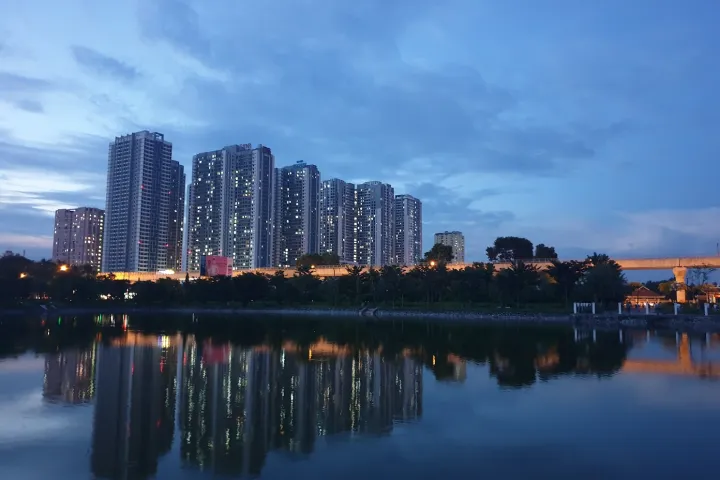

Vietnam’s Economic Transformation
Over the past few decades, Vietnam has experienced remarkable economic growth. After joining the World Trade Organization in 2007, the country embraced globalization, attracting foreign direct investment and strengthening its export-driven economy. The rise of manufacturing, technology, and tourism has turned Vietnam into one of Southeast Asia's most vibrant business environments.

Key Sectors Driving Growth
Several industries play a major role in Vietnam’s economic success. The garment and textile sector remains one of the largest employers and contributors to exports. Electronics and hardware production, especially in areas like Bac Ninh and Ho Chi Minh City, have expanded rapidly with major players like Samsung and Intel operating factories in the country.
The agricultural sector, although modernizing, still provides livelihoods for many, especially in the Mekong Delta. Meanwhile, the booming tourism industry, particularly in destinations like Da Nang, Hoi An, and Ha Long Bay, fuels demand for services, hotels, and local products.
Small and Medium Enterprises (SMEs)
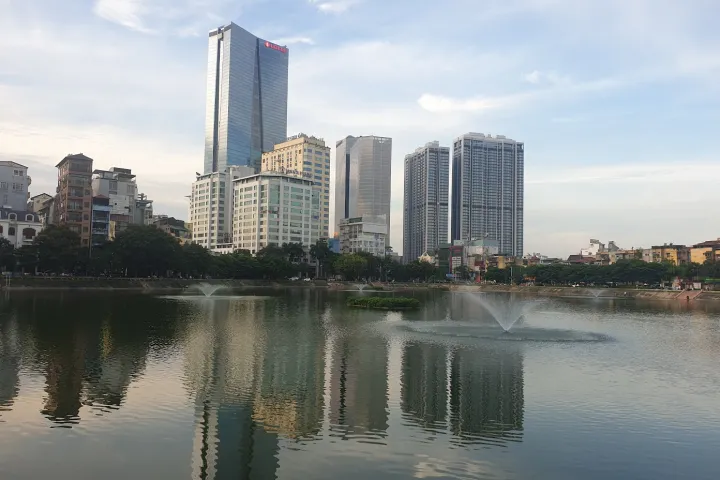
SMEs form the backbone of Vietnam’s economy, accounting for over 95% of all businesses. They range from family-owned shops to innovative startups in cities like Hanoi and Ho Chi Minh. Many of these businesses are deeply rooted in Vietnamese culture—selling traditional foods, offering homegrown textiles, or running guesthouses in heritage towns.
Da Nang, a coastal city popular with both tourists and digital nomads, has seen a surge in co-working spaces and boutique cafes run by young entrepreneurs. Local businesses here often embrace both Vietnamese identity and modern branding, offering a unique blend of the old and new.
Challenges and Support
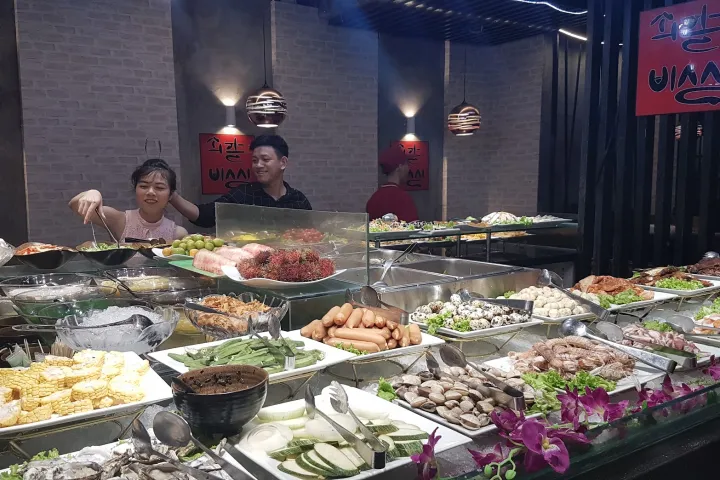
Despite their importance, SMEs in Vietnam face several challenges such as limited access to credit, lack of formal training, and competition from larger corporations. However, the government has introduced support programs, including tax incentives, digital transformation training, and easier business registration processes to boost SME development.
Startups and Innovation Hubs
Vietnam’s tech startup scene is growing quickly, with hubs in Ho Chi Minh City, Hanoi, and Da Nang. Accelerators like Vietnam Innovative Startup Accelerator (VIISA) and organizations such as Topica Founder Institute offer mentorship and funding opportunities.
Fintech, edtech, and healthtech are especially hot sectors. Apps like MoMo (mobile payments) and eDoctor (telemedicine) are changing the way people interact with services. Many young Vietnamese entrepreneurs are educated abroad or bring global ideas home, adapting them to suit local needs.
Foreign Businesses in Vietnam
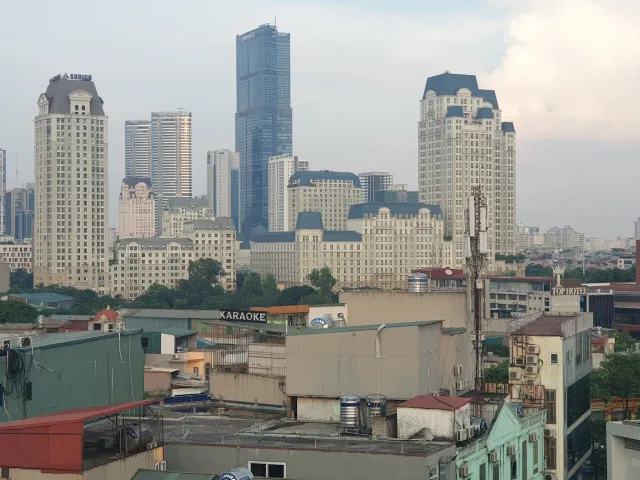
Vietnam is an increasingly attractive destination for foreign investors. Low labor costs, a growing middle class, and strategic geographic location make it ideal for manufacturing and service-based industries. Foreign businesses from South Korea, Japan, and the United States are prominent in electronics, retail, and finance.
In addition, international franchises such as Starbucks, McDonald’s, and MUJI are expanding into Vietnamese urban markets, often adjusting their menus and pricing to suit local tastes and spending power.
Business Registration and Legal Requirements
Setting up a foreign-owned business in Vietnam requires understanding local laws and procedures. While the process has been simplified in recent years, it still involves steps such as obtaining an Investment Registration Certificate (IRC) and a Business Registration Certificate (BRC). Working with a local law firm or business consultant can ease this process, especially when dealing with land use rights or tax structures.
The Rise of Green and Ethical Businesses
Vietnamese consumers are becoming more conscious of sustainability and ethics. This trend has led to the rise of businesses that focus on eco-friendly products, fair trade goods, and community-oriented services. From zero-waste shops in Hanoi to organic coffee brands like K'Ho Coffee in Da Lat, many ventures now balance profit with purpose.
Da Nang’s beachfront eco-resorts and handmade souvenir stores reflect a growing appreciation for local crafts and environmentally friendly operations. Travelers and residents alike are showing preference for businesses that support Vietnamese artisans and protect natural resources.

Local Markets and Family Businesses
Despite rapid modernization, Vietnam retains a strong culture of local commerce. Markets like Ben Thanh in Ho Chi Minh City or Han Market in Da Nang are full of small vendors selling everything from fresh produce to tailor-made clothes. Many of these businesses are run by families across generations, contributing to the local economy and cultural identity.
These local enterprises often survive on relationships, trust, and personalized service. It’s not uncommon for a family to run the same pho stall for decades, becoming a neighborhood institution.
Online Businesses and E-commerce
With widespread smartphone use and affordable data, Vietnam’s e-commerce sector is booming. Platforms like Tiki, Shopee, and Lazada have become household names. Many small sellers use Facebook and Zalo to reach customers directly, combining social interaction with sales.
Local delivery services such as Gojek, Grab, and Baemin have made it easier for businesses to reach customers, especially during times of restricted movement. The digital shift has opened new opportunities even for rural sellers to tap into broader markets.
Moving Forward
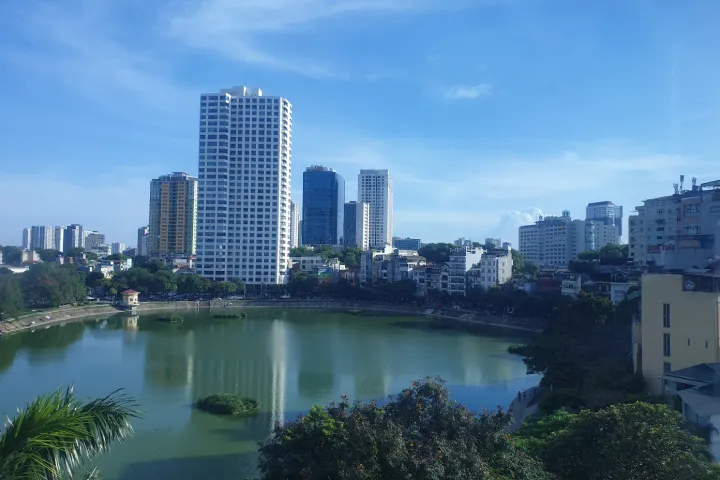
Vietnam's business environment continues to evolve with the global economy. Efforts to modernize infrastructure, improve education, and enhance digital skills are laying the foundation for the next wave of business innovation.
With the right support, both local entrepreneurs and foreign investors can thrive, contributing to a balanced and inclusive growth model that values tradition, innovation, and sustainability.
Explore, Support, and Connect
Whether you're starting a business, shopping locally, or planning to invest, Vietnam offers a diverse and energetic environment to explore. Visit local shops, learn the stories behind family-run restaurants, and connect with the creators of tomorrow’s enterprises. Your curiosity and support help shape the future of businesses in Vietnam.