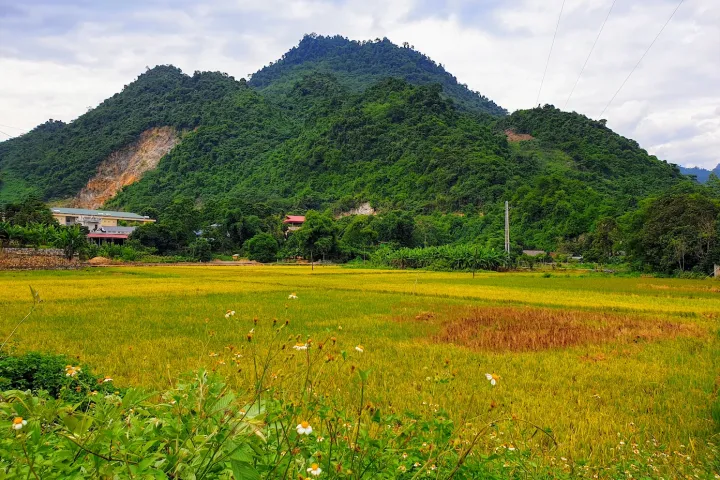
Ha Giang Sapa Route
Travel from Ha Giang to Sapa through stunning mountains, ethnic villages, and terraced rice fields. A cultural and scenic adventure in Vietnam’s north...
Read More
Ha Giang, located in the far north of Vietnam, is a breathtaking province known for its towering limestone mountains, winding roads, and rich cultural diversity. Often referred to as one of the last frontiers of Vietnam, Ha Giang offers a raw, authentic experience for travelers seeking beauty, adventure, and local charm.
Unlike more developed tourist destinations like Sa Pa or Ha Long Bay, Ha Giang remains largely untouched by mass tourism. This gives it a unique appeal, especially for those who want to explore Vietnam's highlands in their most natural form. Bordering China, the province is home to dramatic landscapes, colorful ethnic markets, and winding mountain passes that promise both challenge and reward for adventurous souls.
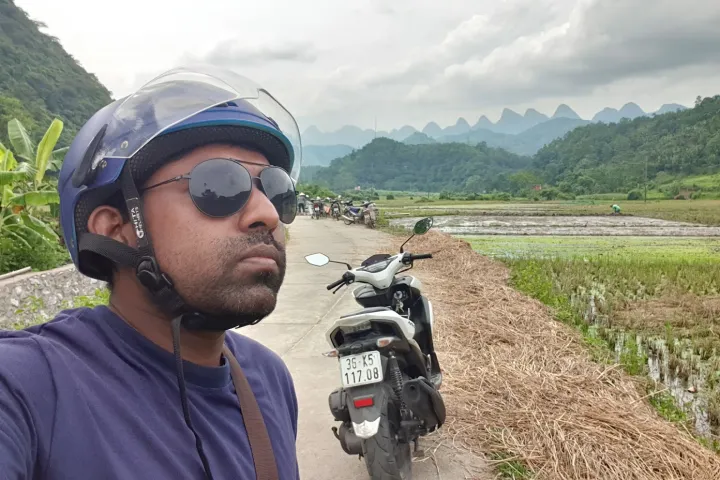

The Ha Giang Loop is a popular motorbike route that takes travelers through some of the most scenic and remote areas of northern Vietnam. Stretching over 300 kilometers, this route includes several key towns such as Yen Minh, Dong Van, Meo Vac, and Quan Ba. Most travelers spend 3 to 5 days completing the loop, often stopping in local homestays and enjoying regional cuisine along the way.
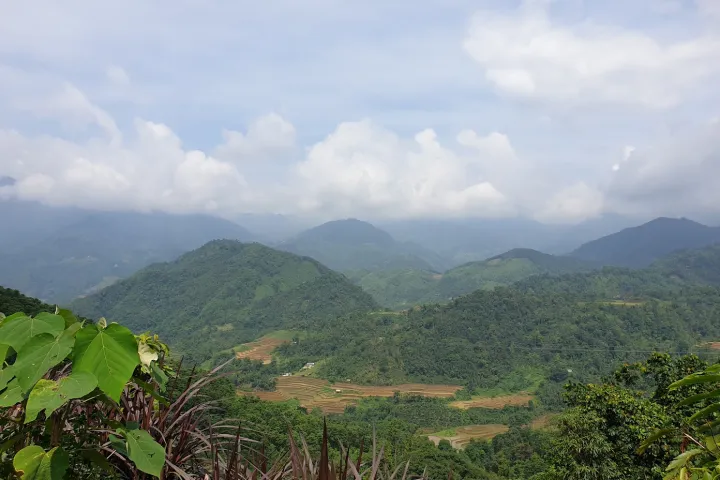
A highlight of the loop is the Dong Van Karst Plateau Geopark, a UNESCO-recognized site that features dramatic limestone formations over 400 million years old. This area is not only a geological wonder but also culturally rich, with 17 ethnic minority groups living across the region. Don’t miss the Sunday market in Dong Van town, where locals gather in traditional dress to trade goods, food, and stories.
One of the most iconic stretches of the Ha Giang Loop is Ma Pi Leng Pass, often considered the most spectacular mountain road in Vietnam. The pass connects Dong Van and Meo Vac and offers sweeping views over the Nho Que River far below. Travelers can stop at various viewpoints, take a boat ride on the emerald river, or simply soak in the awe-inspiring scenery.
Ha Giang is home to more than 20 ethnic minority groups, including the Hmong, Tay, Dao, and Lo Lo people. Each group has its own unique customs, clothing, language, and festivals. Staying in a local homestay offers a chance to experience this cultural richness firsthand. Many families in villages such as Nam Dam or Lung Cu welcome guests with warm hospitality, home-cooked meals, and storytelling around the fire.
At the northernmost point of Vietnam lies the Lung Cu Flag Tower, a proud symbol of national sovereignty. From the top, visitors can look out across vast mountain ranges and even see into southern China. The nearby Lo Lo Chai village is worth a visit too, offering traditional architecture and opportunities to learn about the Lo Lo ethnic group’s way of life.
While the Ha Giang Loop is the main draw, the province has many other hidden gems. Du Gia village, for example, is a tranquil spot with rice fields, waterfalls, and a laid-back pace. It’s an ideal stop for those wanting to slow down and enjoy local life. Thon Tha village near Ha Giang City is another excellent option for travelers who want to stay in a Tay minority community.
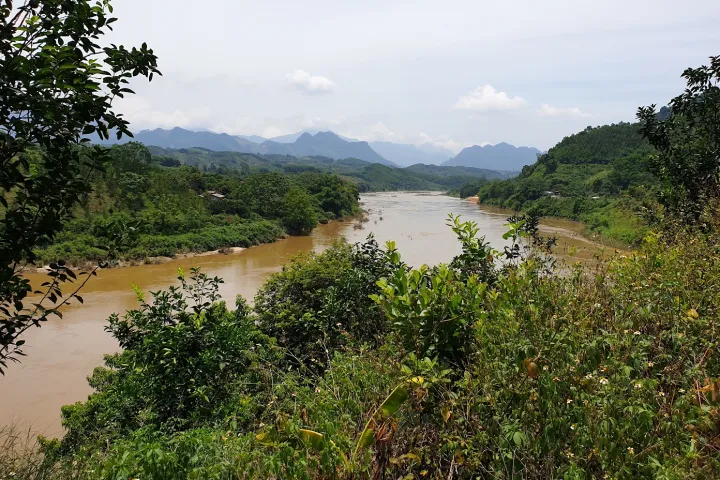
Ban Ba Waterfall in Vi Xuyen District is one of the most beautiful natural sights in the region, with three tiers of cascading water surrounded by forest. The Lung Khuy Cave in Quan Ba is another notable destination, featuring stunning stalactites and an easy walking path. These natural wonders offer a quieter, more intimate side of Ha Giang for those looking to explore off the beaten path.
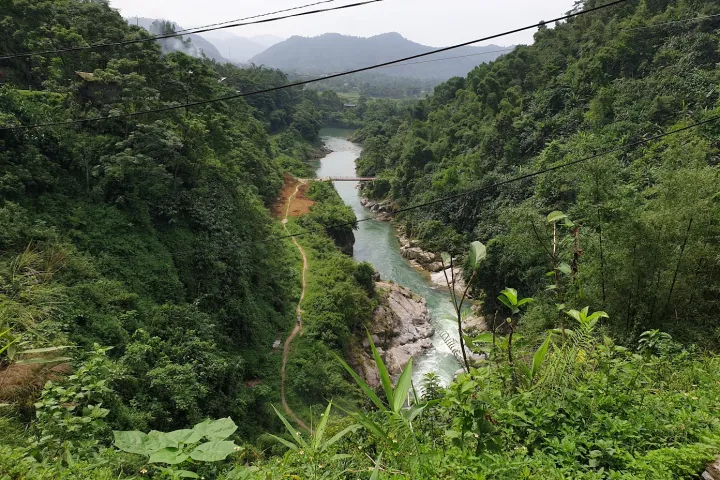
The best time to visit Ha Giang is between September and November or from March to May. These months offer cool weather and clear skies, perfect for mountain travel. In October, the region’s famous buckwheat flowers bloom, covering the hillsides in shades of pink and purple. Spring brings vibrant festivals and peach blossom season, another magical time to visit.
To get to Ha Giang, most travelers take a sleeper bus from Hanoi to Ha Giang City, a journey of about 6-7 hours. From there, motorbike rentals are widely available. It’s important to drive carefully, especially on the winding mountain roads. If you're not comfortable riding, you can hire an experienced local guide or join a motorbike tour.
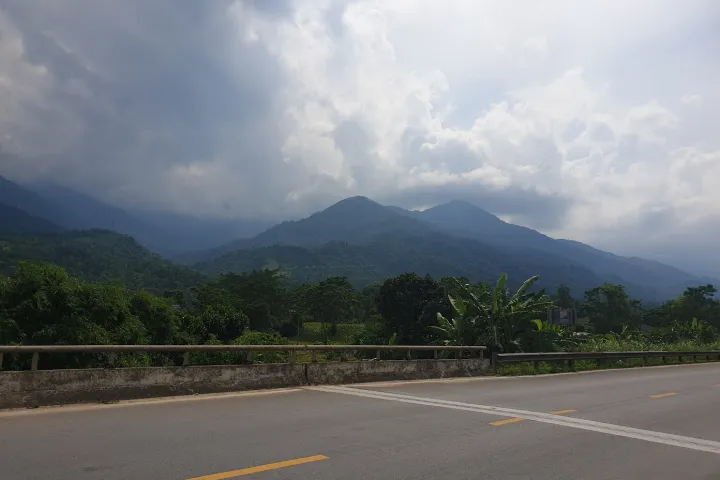
Accommodation in Ha Giang ranges from budget guesthouses to comfortable homestays. In Ha Giang City, consider staying at Ha Giang Historic Hotel or Ban Tuy Homestay for a local experience. Along the loop, villages like Du Gia, Meo Vac, and Dong Van offer cozy, friendly stays with great food and warm blankets.
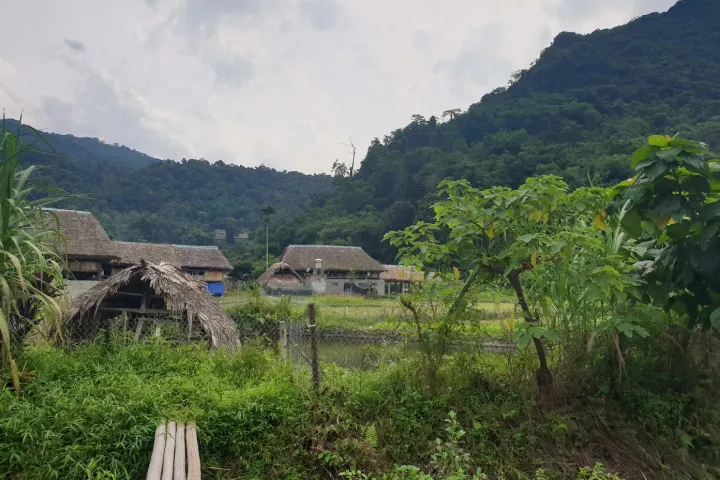
Ha Giang’s food is hearty and flavorful. Try local dishes such as “thang co” (a traditional stew often made with horse meat), grilled pork skewers, or “men men” (steamed cornmeal). Fresh herbs, mountain vegetables, and locally brewed corn wine (ruou ngo) are also staples of the regional cuisine. For coffee lovers, several new cafes have opened in Dong Van and Meo Vac, offering hot drinks with mountain views.
Ha Giang offers a unique combination of natural beauty, cultural depth, and genuine hospitality. It is one of the few places in Vietnam where you can truly disconnect, explore remote landscapes, and connect with local communities. Whether you're riding the Ha Giang Loop, hiking in nature reserves, or sharing a meal in a village home, the memories you make in Ha Giang will stay with you long after your journey ends.
Travel from Ha Giang to Sapa through stunning mountains, ethnic villages, and terraced rice fields. A cultural and scenic adventure in Vietnam’s north...
Read More
Ride the Ha Giang Loop in northern Vietnam. Discover stunning mountains, winding roads, and authentic cultural encounters on this scenic motorbike journey...
Read More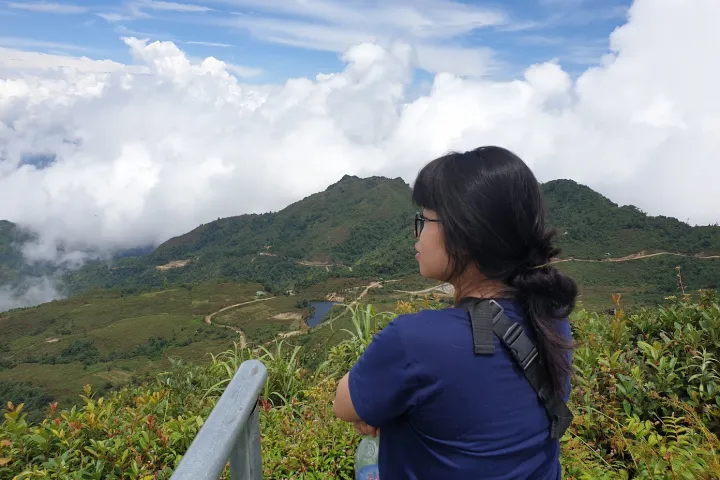
Discover Dinh Chieu Lau Thi in Ha Giang, Vietnam’s second-highest peak. Explore misty forests, ethnic culture, and breathtaking panoramic views...
Read More
Explore Hoang Su Phi in Ha Giang, Vietnam—famous for its stunning rice terraces, ethnic culture, trekking, and authentic highland experiences...
Read More