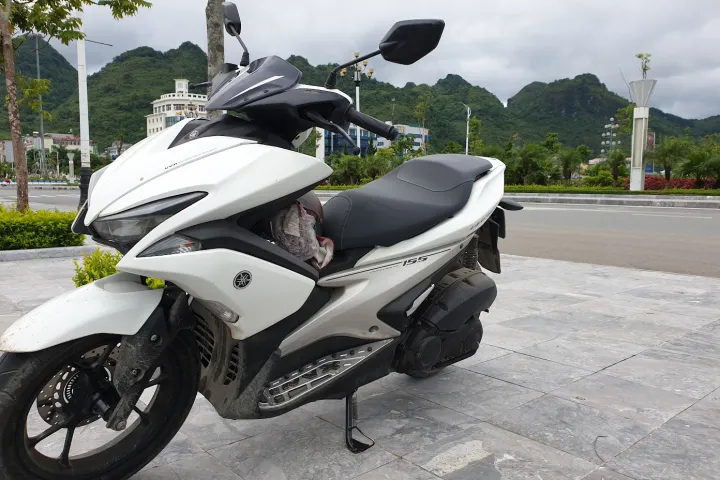
Motorbikes
Discover why motorcycles define Vietnam’s culture, from daily commutes to motorbike tours. Learn about safety, rentals, and riding traditions...
Read More
Vietnam’s vibrant cities, rural towns, and scenic coastlines are best explored using a mix of transportation options. From motorbikes to modern trains, knowing how to get around can make your travel experience smoother, safer, and more enjoyable.
Motorbikes are the most popular and practical way to get around in Vietnam. In cities like Ho Chi Minh City and Hanoi, you'll see millions of bikes navigating through busy traffic. Motorbike rentals are widely available in tourist hubs like Da Nang, Hoi An, and Nha Trang. Daily rentals typically cost between 100,000–150,000 VND, and you’ll need a helmet and a valid license (ideally with an International Driving Permit).
Some companies offer guided motorbike tours across Central and Southern Vietnam. These tours allow travelers to explore the Hai Van Pass, the countryside of Da Lat, or the Mekong Delta in a more immersive way.
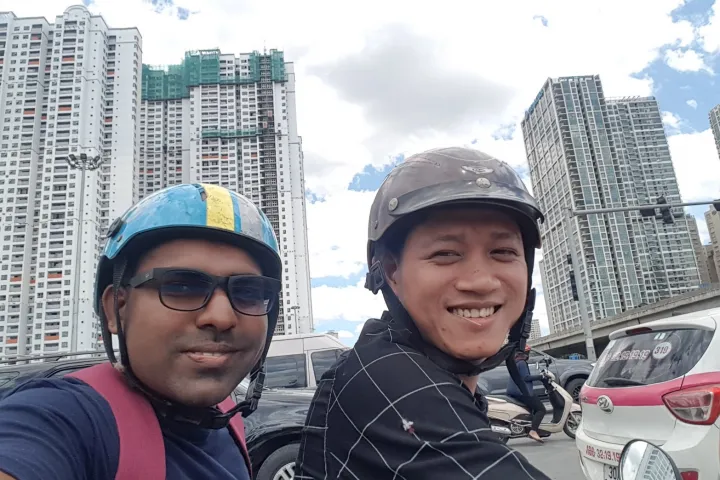

Always wear a helmet, avoid driving at night in unfamiliar areas, and be cautious on mountainous or rainy routes. Vietnam follows right-side driving rules, but traffic can be unpredictable, especially in cities.
Grab is Vietnam’s most popular ride-hailing app, offering both motorbike and car rides. It's affordable, fast, and a safer alternative to negotiating prices with traditional taxis. Available in most major cities including Hanoi, Ho Chi Minh City, and Da Nang, Grab lets you pay in cash or via the app.
Other local apps include Gojek and Be, which also provide food delivery and ride services. These are handy options when you're staying in cities like Hue or Can Tho, where Grab might be limited.
For families or groups traveling together, renting a car with a driver is a common and stress-free option. Many hotels and tour operators offer private cars for airport pickups, intercity transfers, or custom day trips.
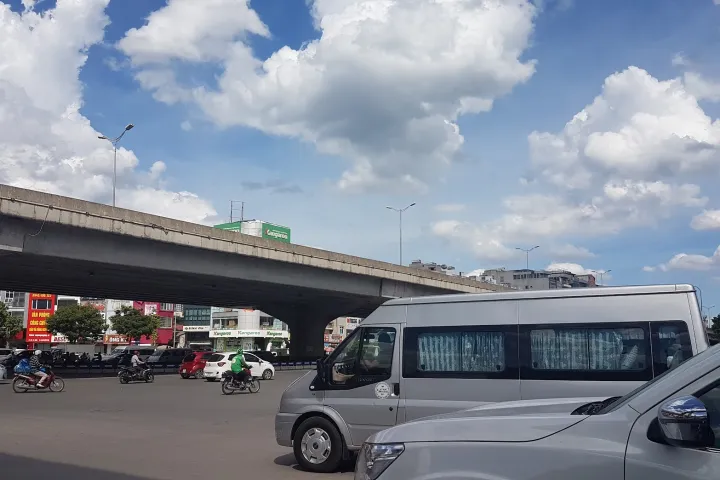
Self-driving a car in Vietnam is rare due to complex licensing requirements and chaotic road conditions. Most travelers prefer to hire a car with a local driver who knows the routes and traffic culture.
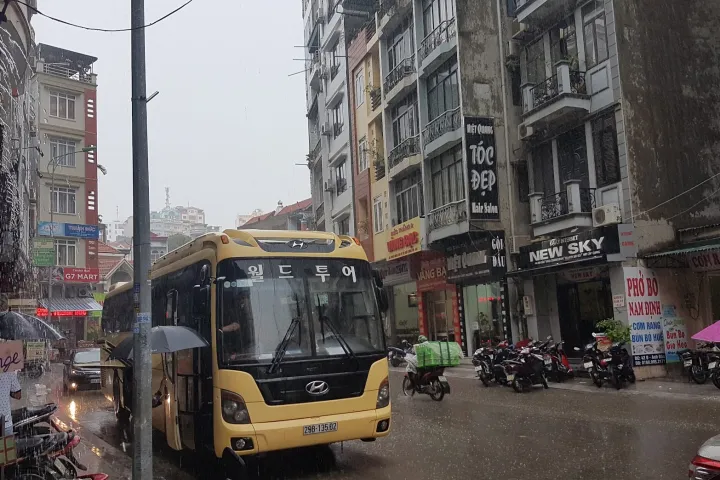
Vietnam has an extensive bus network that connects major cities, rural towns, and tourist destinations. Open-tour buses operated by companies like The Sinh Tourist or Futa Bus offer flexible hop-on-hop-off options, especially between destinations like Hoi An, Hue, and Nha Trang.
For long-distance routes such as Ho Chi Minh City to Da Lat or Hanoi to Sapa, sleeper buses are a popular and affordable option. These buses have reclining beds and usually operate overnight, saving you on accommodation costs.
The Reunification Express runs from Hanoi to Ho Chi Minh City and stops at major cities like Hue, Da Nang, and Nha Trang. Train travel is slower than flying but offers comfort and beautiful views along Vietnam’s coastline.
You can book train tickets at stations, through local travel agencies, or online via official sites or apps. Choose between soft seats, hard seats, or sleeper cabins depending on your budget and travel time.
Vietnam has a solid network of domestic flights, with airlines like Vietnam Airlines, VietJet Air, and Bamboo Airways offering regular service. Flights from Hanoi to Ho Chi Minh City take just 2 hours, compared to over 30 hours by train.
Tan Son Nhat Airport (SGN) in Ho Chi Minh City, Noi Bai Airport (HAN) in Hanoi, and Da Nang International Airport (DAD) are the main hubs. From these airports, you can easily reach other provinces or islands like Phu Quoc and Con Dao.
In Southern Vietnam, especially in the Mekong Delta and Phu Quoc Island, boats are essential. Ferry services connect Phu Quoc to the mainland via Ha Tien or Rach Gia, while Can Tho offers river cruises through floating markets.
Several companies offer half-day or full-day cruises through the Mekong, providing an authentic experience of Vietnam’s water-based communities.
In quieter areas like Hoi An Ancient Town or Tam Coc in Ninh Binh, bicycles are a fantastic way to explore. Many homestays and hotels offer free bike rentals. Walking is also enjoyable in pedestrian-friendly zones like Hanoi’s Old Quarter or Da Lat’s night market.
With so many options, getting around Vietnam is part of the adventure. Whether you're cruising through mountain passes on a motorbike or relaxing on a train through rice paddies, the journey is just as memorable as the destination.
Discover why motorcycles define Vietnam’s culture, from daily commutes to motorbike tours. Learn about safety, rentals, and riding traditions...
Read More