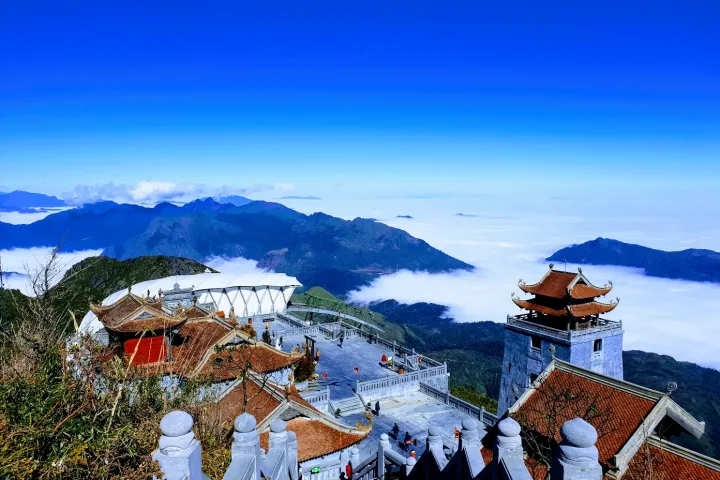
Mount Fansipan
Discover Fansipan Mountain, the Roof of Indochina. Trek, ride the cable car, and explore Vietnam’s highest peak with stunning views and rich culture...
Read More
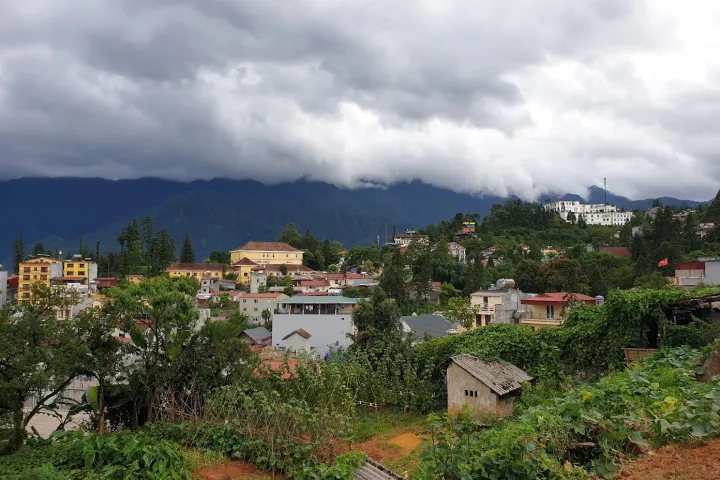
Nestled high in the Hoang Lien Son mountains, Sapa in Lao Cai province is a stunning travel destination known for its cool climate, dramatic rice terraces, and rich cultural diversity. Whether you're hiking through scenic valleys or meeting local hill tribes, Sapa offers a refreshing break from city life.
Sapa is a small mountain town located near the Chinese border in northwestern Vietnam. At an elevation of around 1,500 meters, the area enjoys cool temperatures year-round. The town is surrounded by terraced rice fields, deep valleys, and towering peaks, making it a dream destination for nature lovers and adventure seekers.
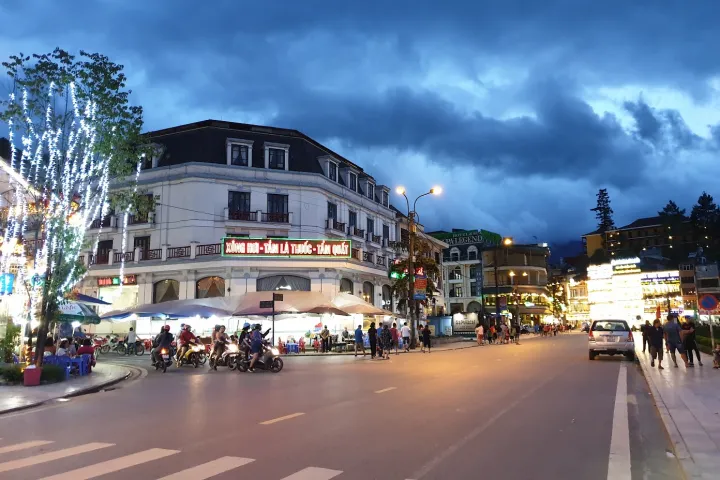

The easiest way to reach Sapa is by train or bus from Hanoi. Most travelers take the overnight train to Lao Cai station, followed by a one-hour scenic drive up the mountains to Sapa town. Alternatively, comfortable sleeper buses now offer a direct journey from Hanoi to Sapa in about 6–7 hours.
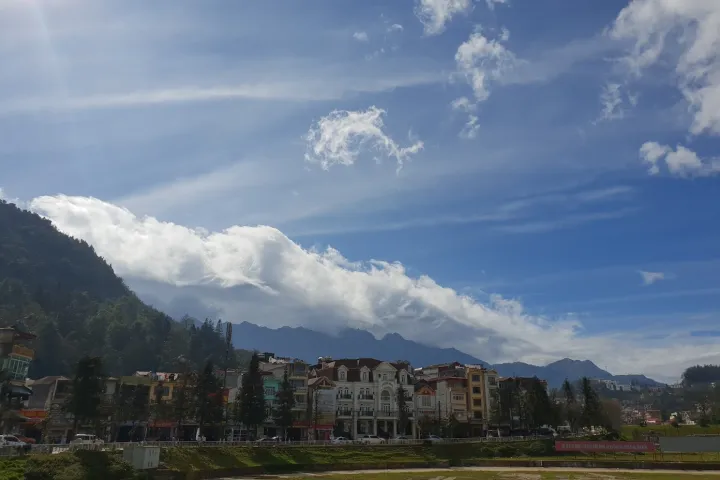
At 3,147 meters, Mount Fansipan is the highest peak in Vietnam and all of Indochina. It’s a must-see for visitors to Sapa. While some adventurous trekkers hike to the summit over two days, most visitors now take the Fansipan Legend cable car for a breathtaking ride above the clouds. The panoramic views from the top are unforgettable, especially on clear days.
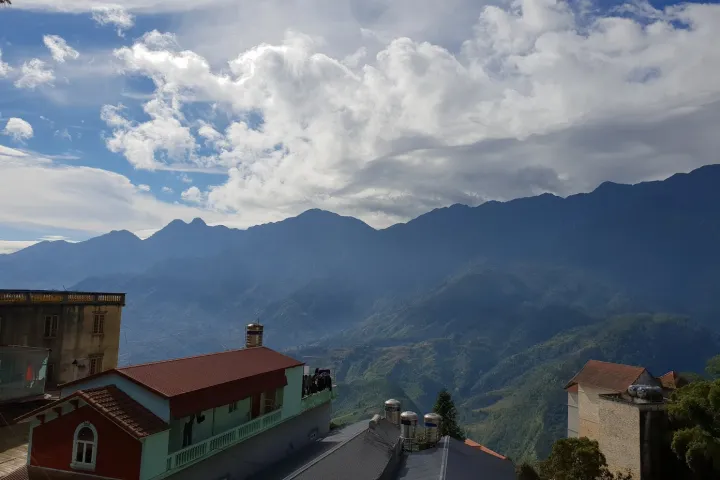
Just a short walk from Sapa town, Cat Cat Village is home to the Black Hmong ethnic group. Visitors can explore traditional wooden houses, observe handicraft weaving, and enjoy waterfalls nestled between lush hills. The village charges a small entrance fee, and it’s a great spot to understand local lifestyles.
This beautiful valley is dotted with rice terraces and scattered with small villages like Lao Chai, Ta Van, and Y Linh Ho. A guided trek through Muong Hoa lets you meet locals from different ethnic groups such as the Hmong, Dao, and Giay. Many tours also include a homestay experience, allowing travelers to immerse themselves in local culture and cuisine.
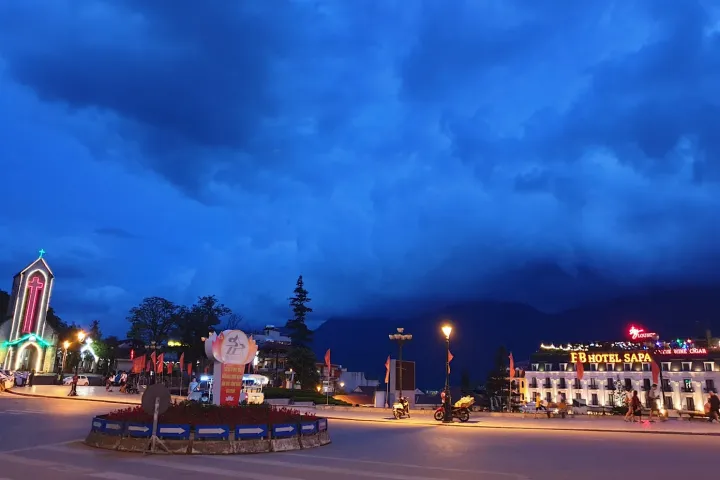
Built by the French in the early 20th century, the stone church in the center of town is a symbol of Sapa. On weekends, the area outside the church comes alive with the local night market and traditional dances performed by hill tribe communities.
Sapa is one of the most ethnically diverse regions in Vietnam. Major groups include the Black Hmong, Red Dao, Tay, and Giay. Each group has its own language, clothing style, customs, and traditional crafts. Walking through the town or local villages, you'll often see people wearing bright handwoven garments and selling handmade textiles and silver jewelry at market stalls.
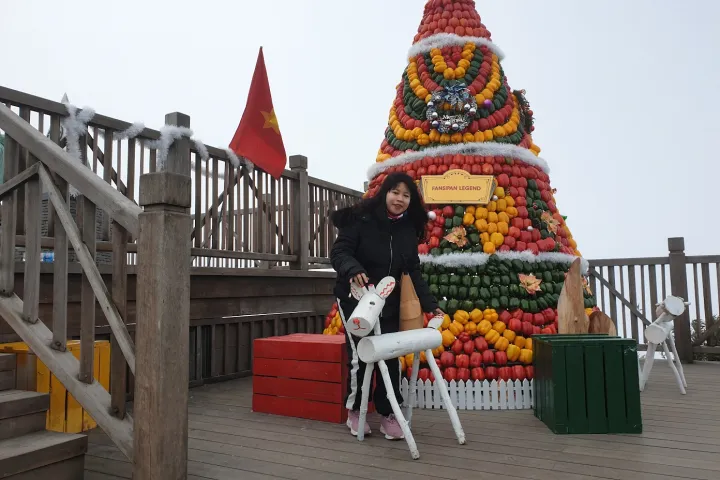
Sapa experiences four distinct seasons. Spring (March to May) and autumn (September to November) are the best times to visit due to pleasant weather and clear skies. Summer is warmer with occasional showers, while winter can bring mist, cold winds, and even snow. December and January are ideal for those who want to experience Sapa’s chilly mountain atmosphere.
Sapa offers a mix of local hill tribe cuisine and Vietnamese dishes. Grilled meats, sticky rice, and herbal hotpot are popular in colder months. Try local specialties like “thắng cố” (horse meat soup), or “cơm lam” (bamboo-tube rice). For dining, consider visiting popular spots such as Good Morning Vietnam restaurant, Sapa Moments Restaurant, or A Phủ for authentic mountain meals in a cozy setting.

Sapa has a wide range of accommodations, from budget hostels to luxury resorts. Boutique hotels like Sapa Horizon Hotel or eco-friendly lodges like Topas Ecolodge offer scenic views and unique experiences. Homestays in villages such as Ta Van are also a popular choice for travelers wanting to live among the locals for a night or two.
The local markets in Sapa are full of handmade crafts, embroidered bags, traditional clothing, and herbal medicines. The Sapa Market near the bus station and the Love Market on Saturday evenings are good places to shop and experience local culture. Always feel free to bargain, but do so respectfully.
When visiting Sapa, be mindful of the environment and local customs. Stick to marked trails during treks, and avoid giving money or candy to children, which can encourage begging. Supporting local guides, staying in family-run homestays, and buying fair-trade crafts are great ways to give back to the community.
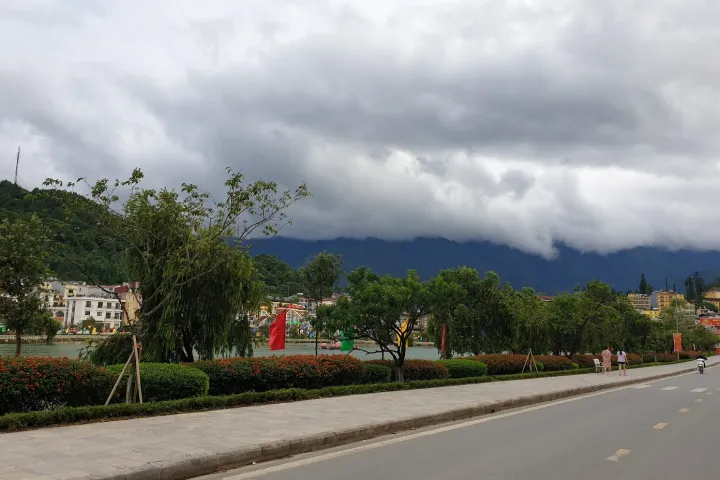
Sapa in Lao Cai is a destination that combines natural beauty with deep cultural roots. From misty mountains and lush rice terraces to friendly local communities and delicious food, Sapa offers something for every traveler. Whether you come for adventure, relaxation, or cultural exploration, Sapa will leave you with unforgettable memories of northern Vietnam.
Discover Fansipan Mountain, the Roof of Indochina. Trek, ride the cable car, and explore Vietnam’s highest peak with stunning views and rich culture...
Read More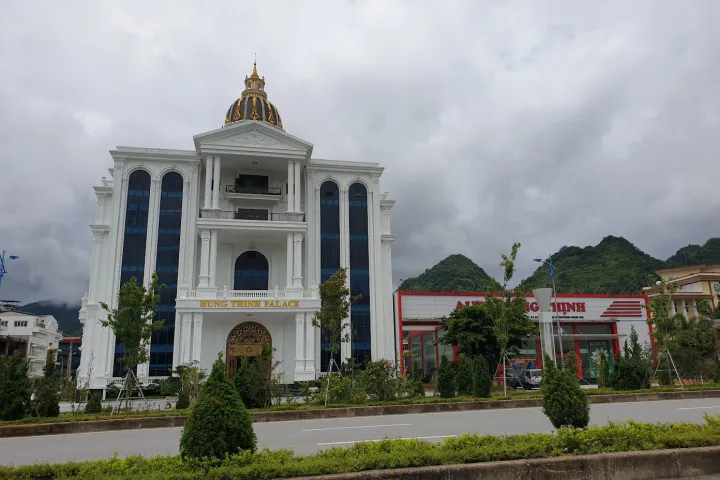
Explore Lai Chau, Vietnam’s hidden gem with towering mountains, misty valleys, and rich ethnic culture. A perfect escape for nature and adventure lovers...
Read More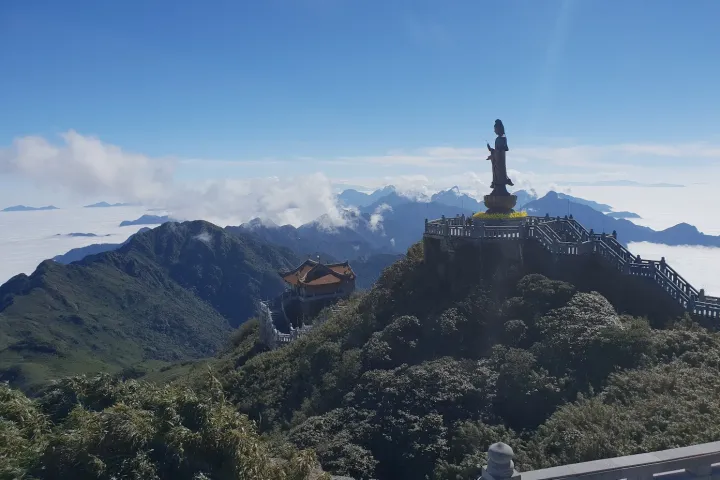
Discover Fansipan Temple near the summit of Vietnam’s highest peak. A serene Buddhist complex offering prayer, reflection, and breathtaking mountain views...
Read More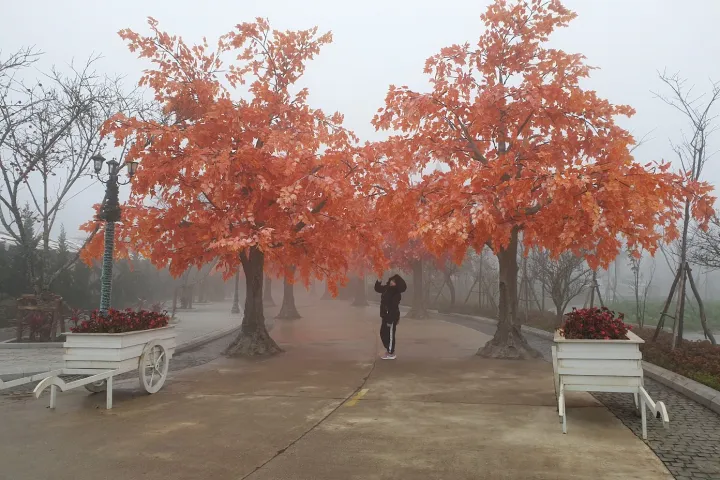
Visit Sapa Sun World and ride the Fansipan cable car to the Roof of Indochina. Enjoy breathtaking mountain views, temples, and spiritual charm above the clouds...
Read More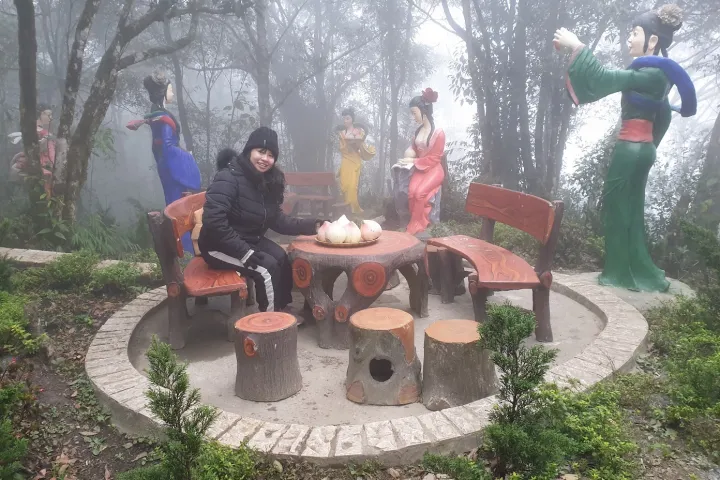
Discover Hoang Lien Park in Sapa, a tranquil green space with walking paths, bridges, and mountain views. Perfect for relaxation, photos, and family visits...
Read More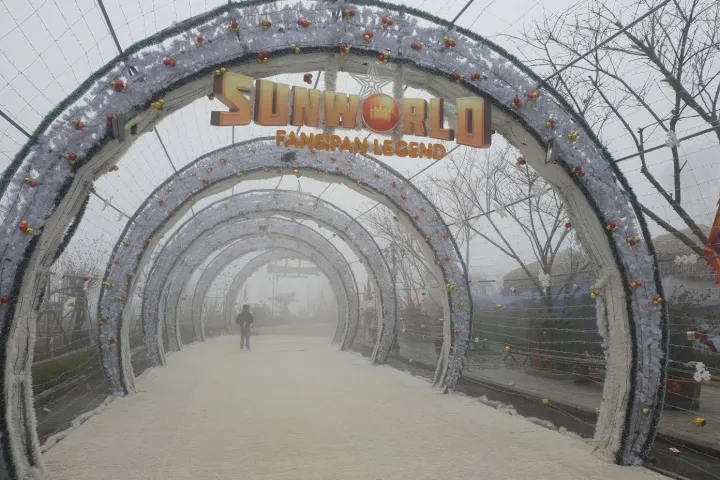
Ride the Fansipan Legend cable car in Sapa and reach the Roof of Indochina. Discover breathtaking views, temples, and Vietnam’s highest peak experience...
Read More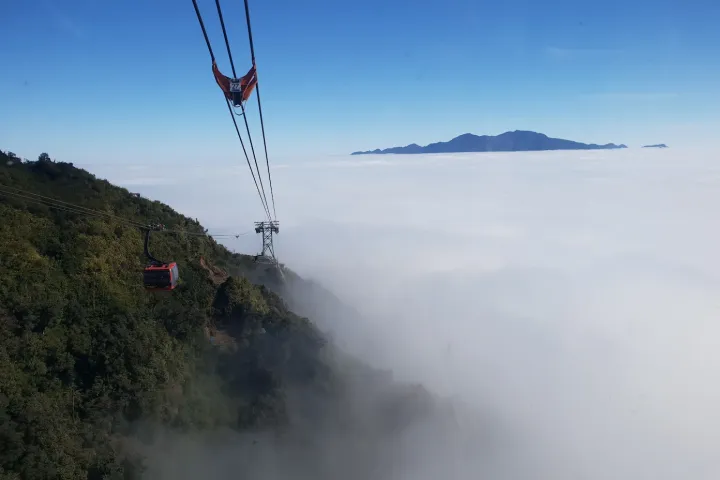
Ride the Fansipan Cable Car from Sapa to Vietnam’s highest peak. Enjoy record-breaking engineering, stunning mountain views, and an easy summit journey...
Read More