
Fansipan Mountain : Conquering the Roof of Indochina
Fansipan Mountain, often called "the Roof of Indochina," is the highest peak in Vietnam and a dream destination for trekkers and nature lovers seeking a breathtaking adventure in the northwest.
Where is Fansipan Located?
Fansipan is situated in the "Hoang Lien Son" mountain range, within Lao Cai Province, just about 9 kilometers southwest of Sapa Town. The mountain stands tall at 3,147 meters above sea level, making it the highest point not only in Vietnam but also in the Indochina peninsula, which includes Laos and Cambodia.

How to Get There
To reach Fansipan, most visitors travel to Sapa from Hanoi by train or sleeper bus, then continue by taxi or motorbike to the base of the mountain. For those short on time or looking for comfort, the Fansipan cable car system offers a scenic and easy way to reach near the summit in about 15 minutes.
The Fansipan Cable Car Experience
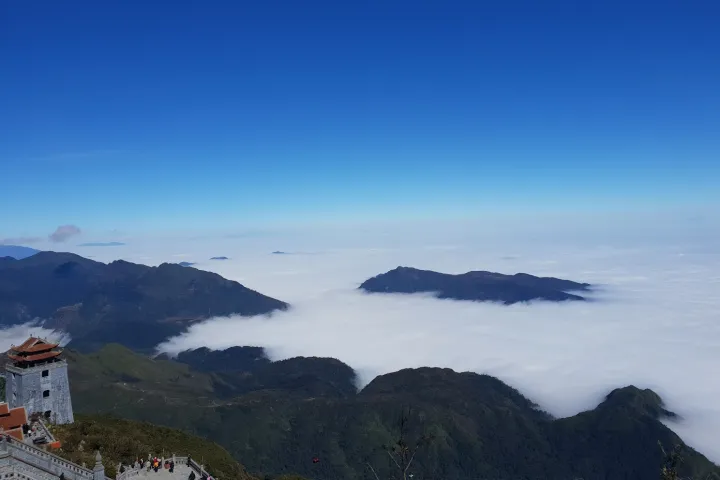
Opened in 2016, the Sun World Fansipan Legend cable car is one of the longest and highest in the world. Departing from Muong Hoa Valley, the ride soars above lush forests, terraced rice fields, and clouds. It ends just below the summit, from where visitors can climb about 600 stone steps or take a funicular train to reach the top.
What to See at the Summit
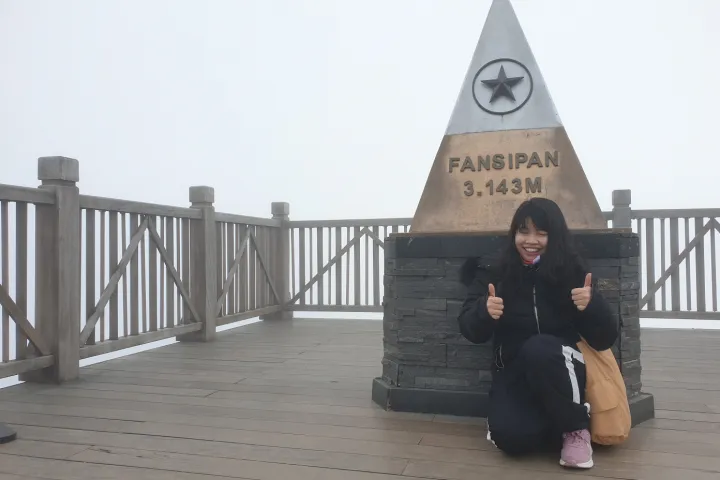
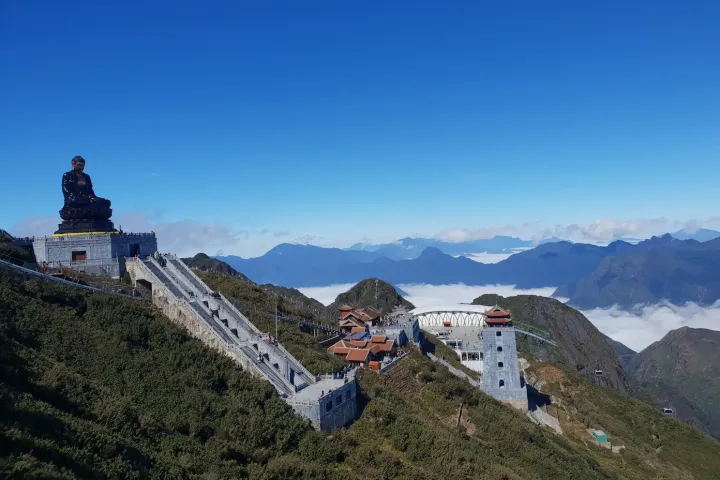
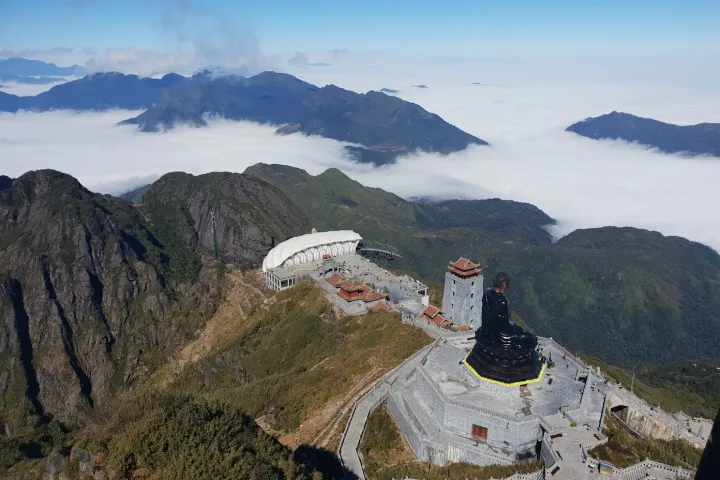
At the summit, you'll find a large flagpole, a metal marker indicating the highest point, and panoramic views that stretch across mountain ranges and valleys. On clear days, the scenery is spectacular, especially at sunrise or sunset. Visitors also often enjoy the spiritual complexes built along the summit path, including the Great Buddha statue and the Thanh Van Dac Lo Temple.
Hiking Fansipan
For adventure seekers, hiking to the top remains a rewarding challenge. There are several trekking routes, ranging from 1 to 3 days, depending on difficulty. Most treks require a local guide, especially the longer ones that pass through thick jungle and remote tribal villages. Along the way, hikers often meet H’mong and Dao ethnic minorities who live in the region.
Best Time to Visit
The best time to climb or visit Fansipan is between March and May, or September to November. During these months, the weather is mild, and the skies are usually clear. Avoid the rainy season (June to August), when trails can be slippery and visibility is low.
Local Culture and Cuisine
Exploring Fansipan also gives you a chance to experience the vibrant culture of Sapa’s local ethnic groups. Don’t miss the chance to try traditional dishes like grilled buffalo meat, salmon hotpot, or thang co (a local stew). Many visitors also stop by Sapa Market to buy handmade textiles, herbal medicine, and souvenirs made by H’mong and Red Dao artisans.
Tips for Visitors
- Dress in layers — temperatures can drop quickly, especially near the top.
- Wear good hiking shoes if you’re trekking.
- Bring water and snacks for the journey, even if using the cable car.
- Respect local customs and ask before taking photos of people.
- Check weather forecasts before your visit.
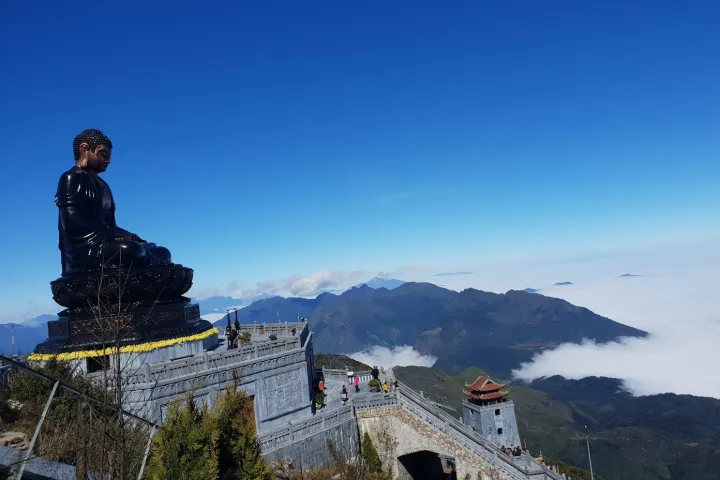
Whether you choose to hike or take the cable car, Fansipan offers an unforgettable experience filled with natural beauty, cultural richness, and spiritual tranquility. It’s a must-visit for anyone exploring the northern mountains of Vietnam. A journey to the top of Fansipan is more than a climb — it’s a chance to stand above the clouds and see Vietnam from its highest point.