
Dinh Chieu Lau Thi - A Hidden Peak in Ha Giang's Misty Mountains
Nestled within the borderlands of Ha Giang, Dinh Chieu Lau Thi offers one of Vietnam’s most underrated mountain experiences, combining untouched nature, ethnic culture, and breathtaking panoramic views.
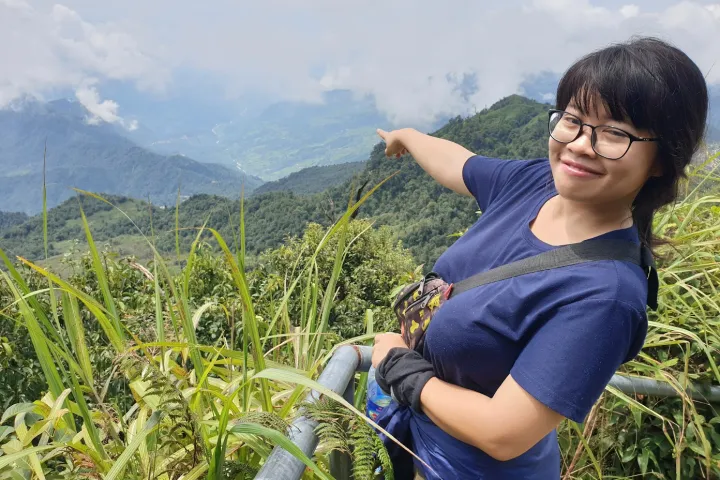

Where Is Dinh Chieu Lau Thi?
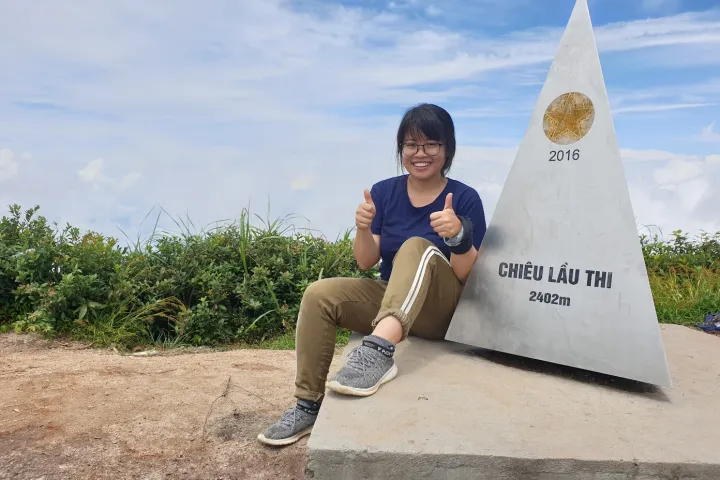
Dinh Chieu Lau Thi, also spelled Chieu Lau Thi Peak, is located in the Hoang Su Phi district of Ha Giang Province. Towering at over 2,400 meters above sea level, it is the second-highest mountain in Ha Giang after Tay Con Linh. The peak lies near the border with China, surrounded by ancient forests, terraced rice fields, and traditional ethnic villages.
The name “Chieu Lau Thi” comes from the local ethnic language and means “Nine-tiered Heaven,” reflecting both the spiritual importance and the physical challenge of reaching the summit.
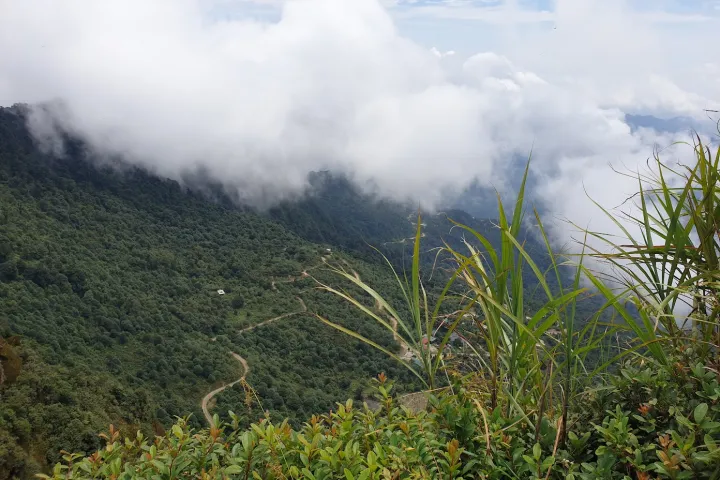
How to Get There
The journey to Dinh Chieu Lau Thi begins in Ha Giang City. From there, travelers typically follow the scenic route west toward Hoang Su Phi. The road can be challenging, with narrow curves and steep climbs, especially during the rainy season. From the commune of Tung San, you will need to continue by motorbike or trekking for the last leg of the route.
It’s common for visitors to stay overnight in Vinh Quang town or in a local homestay in Ban Phung or Ban Luoc villages. These areas are known for their terraced rice fields, particularly beautiful between September and early October during the harvest season.
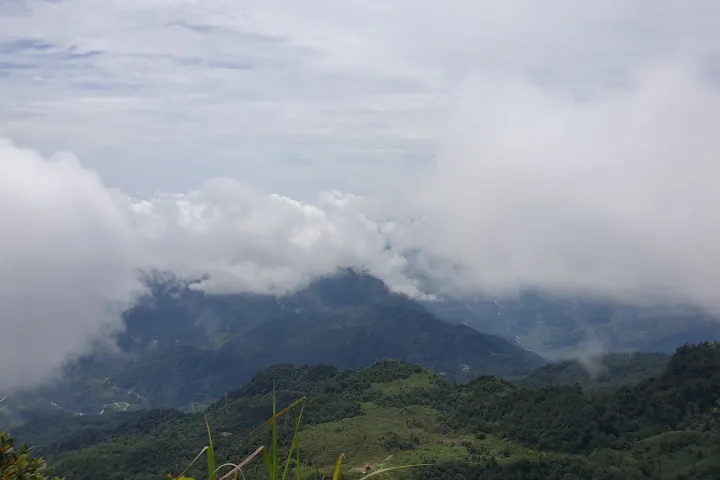
A Trek Through Cloud Forests
The climb to Chieu Lau Thi is not technically difficult, but it does require good physical condition and local knowledge. The path winds through dense forests covered in moss, bamboo, and ancient trees. During early mornings or cooler months, the trail is often shrouded in fog, lending a mystical atmosphere to the trek.
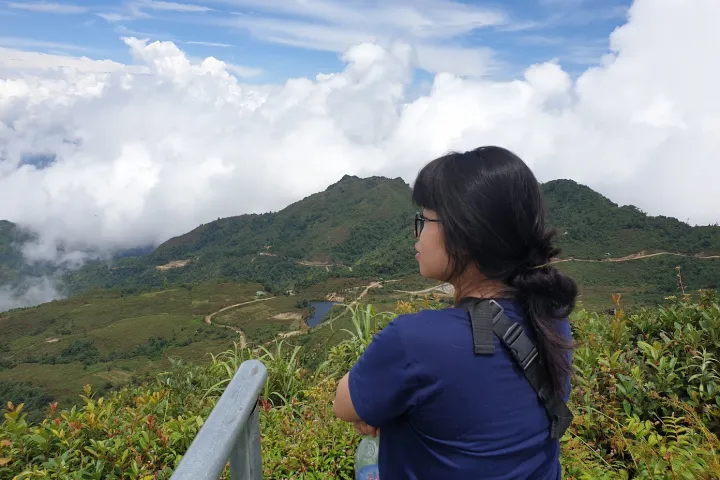
On clear days, hikers are rewarded with sweeping views over cloud valleys and endless green hills. The sense of isolation adds to the magic—unlike more popular destinations, this area remains quiet, free of crowds or tourist infrastructure.
Who Lives in the Region?
The region around Dinh Chieu Lau Thi is home to several ethnic minority groups, including the Dao, H’mong, and Nung. These communities maintain traditional lifestyles, from agriculture to textile weaving. If you have the chance, joining a family for a meal or staying overnight in a Dao homestay can be a memorable cultural experience.
It’s also worth noting that the Dao people celebrate a local festival called “Cap Sac,” a coming-of-age ritual for men, which may occur in villages nearby. While photography may be limited, respectful visitors can learn much about Dao customs and beliefs.

When Is the Best Time to Visit?
The best months to climb Dinh Chieu Lau Thi are from September to November and from March to May. These periods offer dry, clear weather and cooler temperatures ideal for trekking. October is especially beautiful, as golden rice terraces in Hoang Su Phi reach peak color.
In winter, frost and ice can form near the summit, creating rare scenes in tropical Vietnam. However, conditions may become more difficult, and travelers should come prepared with warm clothing and waterproof gear.
What to Bring
- Sturdy hiking shoes with good grip
- Warm layers and rain protection
- Sufficient water and snacks
- A flashlight or headlamp
- GPS or a local guide for safety
Because the trail is remote and mobile signal is limited in parts, it’s strongly advised to hike with someone who knows the area. Some local tour guides from Vinh Quang or Ha Giang City now offer guided treks to the peak.
Nearby Attractions
Before or after your trek, consider exploring other areas in Hoang Su Phi. The Ban Phung rice terraces are some of the steepest and most striking in Vietnam. Nam Hong village offers eco-lodges run by ethnic Tay and Red Dao families. Tay Con Linh, another high peak nearby, also draws more experienced hikers.
For those interested in local products, herbal baths and traditional medicines prepared by Dao women are a unique way to relax after a long hike. Some homestays offer this experience, especially around Nam Ty commune.
Respecting Nature and Culture
As Dinh Chieu Lau Thi is still relatively untouched, it’s important to minimize environmental impact. Take your trash with you, avoid loud noises, and respect local customs. Ask before entering private property or photographing people, especially in sacred or ceremonial settings.
Supporting small local businesses—homestays, guides, and food vendors—not only helps preserve the region but ensures a more authentic experience for travelers.
Ready to Discover Dinh Chieu Lau Thi?
If you’re looking for a quiet adventure off the beaten path, Dinh Chieu Lau Thi offers stunning natural beauty, cultural depth, and a real sense of connection. Take your time, hike respectfully, and let the mountain reveal its story step by step.