
Ha Giang to Sapa: An Epic Journey Through Northern Vietnam
Traveling from Ha Giang to Sapa takes you through some of the most breathtaking scenery Vietnam has to offer, with winding mountain passes, ethnic villages, and unforgettable cultural experiences.
Introduction to the Route
Both Ha Giang and Sapa are well-known for their spectacular landscapes and ethnic diversity, but each has a unique charm. Ha Giang is famous for its rugged mountain roads, especially the Dong Van Karst Plateau, while Sapa enchants visitors with terraced rice fields and the towering peak of Fansipan. Connecting the two offers a scenic and culturally rich adventure that few tourists experience fully.

Distance and Travel Options
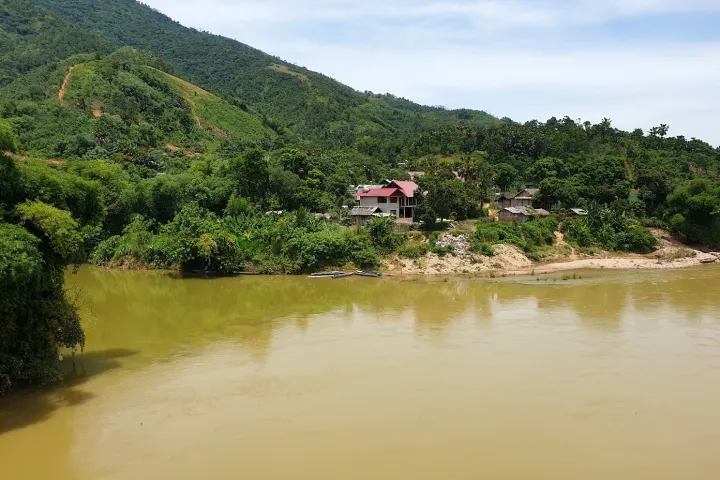
The distance from Ha Giang to Sapa is approximately 235 kilometers. Due to the winding mountain roads, the journey can take 6 to 8 hours by motorbike or car. While there’s no direct train route, travelers can hire private cars, take a local bus, or even rent motorbikes for a more adventurous approach. The route passes through towns like Hoang Su Phi, Xin Man, and Bac Ha, each offering a glimpse into remote ethnic communities and untouched nature.
By Motorbike
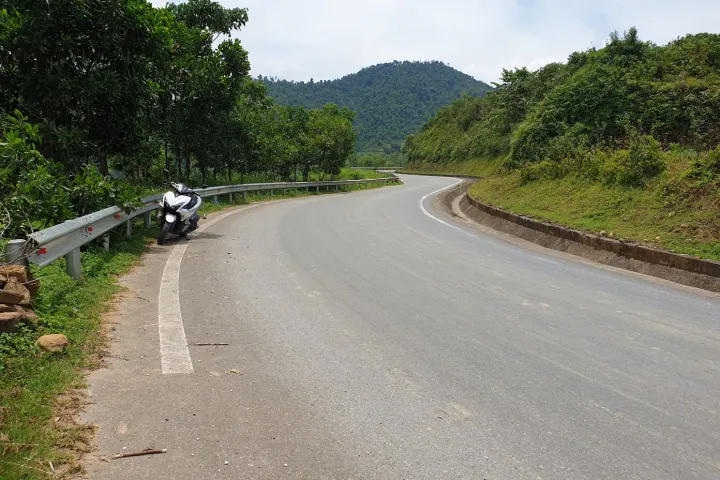
Riding a motorbike is the most exciting way to travel from Ha Giang to Sapa. It gives you full control over stops and lets you fully experience the winding roads, cool air, and panoramic views. Make sure to check weather conditions and carry proper riding gear. Many travelers choose to break the trip into two days, stopping overnight in Bac Ha or Xin Man.
By Bus or Private Car
For those looking for comfort, a private car or local bus is a more relaxed alternative. Several local transport companies operate minivans or sleeper buses between the regions. Private cars with drivers can be booked through Ha Giang or Sapa tour agencies. Though more expensive, they allow flexible timing and custom stops.
What to See Along the Way
Hoang Su Phi
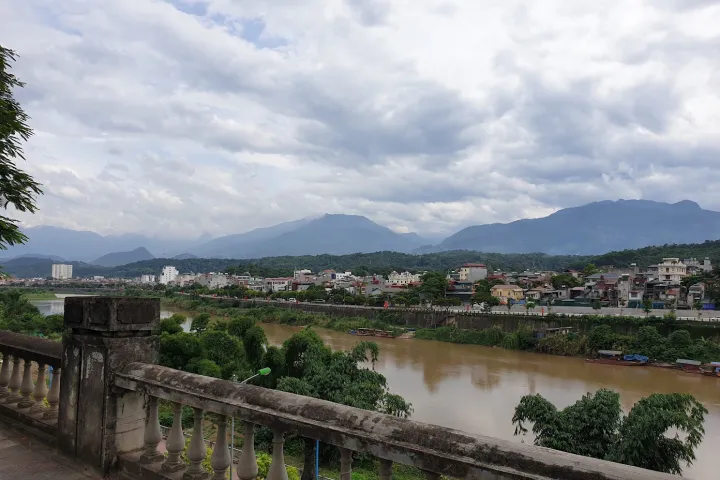
This area is renowned for its stunning rice terraces, especially beautiful during the harvest season from September to October. The terraced fields here are less touristy than in Sapa, offering a more peaceful experience. Villages like Nam Hong and Thong Nguyen are ideal for eco-lodges and homestays.
Bac Ha
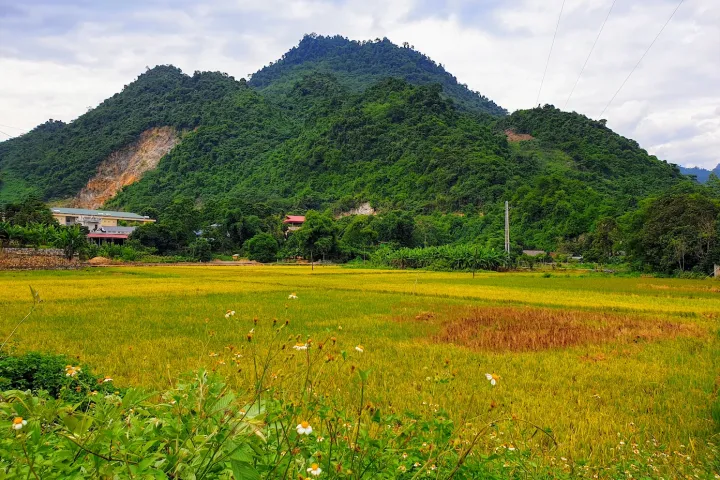
Known for its vibrant Sunday market, Bac Ha is home to the Flower Hmong ethnic group. The market is a great place to see colorful traditional dress, buy handmade goods, and try local delicacies like thang co (a traditional horse meat stew). Don’t miss visiting the Hoang A Tuong Palace, a unique colonial structure in town.
Xin Man
Often overlooked, Xin Man is a peaceful stop surrounded by green hills and remote villages. It offers a genuine off-the-beaten-path experience and is a great place to learn about the life of La Chi and Hmong communities. The local hospitality and quiet landscape make it ideal for slow travel.
Arriving in Sapa
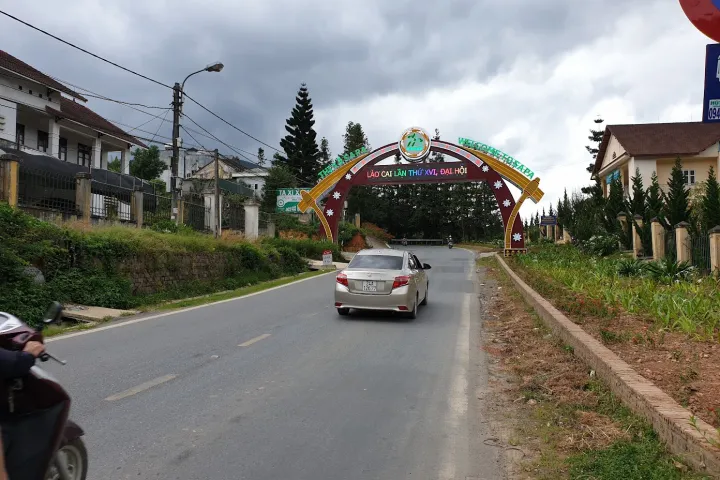
Once you reach Sapa, you'll be greeted by mist-covered valleys and iconic rice terraces. Located in Lao Cai province, Sapa is a popular destination for trekking, cultural tours, and visiting ethnic minority villages such as Ta Van, Lao Chai, and Cat Cat. Fansipan Mountain, known as the “Roof of Indochina,” is a must-visit and can be reached via cable car or by trekking.
Where to Stay in Sapa
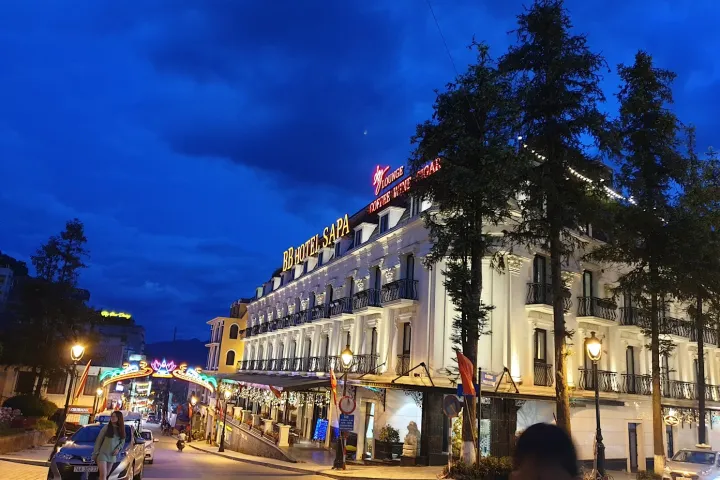
Sapa offers a wide range of accommodations from budget hostels to luxurious resorts. For a unique experience, consider staying in an ethnic homestay in nearby villages. Some recommended stays include Topas Ecolodge, Sapa Clay House, and VietTrekking Homestay.
Things to Do in Sapa
- Hike through Muong Hoa Valley
- Visit Love Waterfall and Silver Waterfall
- Explore the Sapa Market for handicrafts
- Relax in local herbal baths in Ta Phin Village

When to Travel
The best time to travel from Ha Giang to Sapa is from March to May and from September to November. During these months, the weather is mild, and the landscapes are vibrant with blooming flowers or golden rice fields. Avoid the rainy season (June–August), as roads may become slippery and dangerous.
Final Tips for the Journey
Pack light but warm clothing, especially if traveling by motorbike. Always carry cash, as many villages don’t accept cards. Bring a reliable map or offline GPS app, as phone signals can be weak in mountainous areas. Respect local customs and ask for permission before photographing people.
The journey from Ha Giang to Sapa is more than just a change in scenery — it's a deep dive into Vietnam’s highland culture, history, and raw beauty. Whether you ride a motorbike through the clouds or take a car past rice fields and small villages, this route is a highlight for any Northern Vietnam adventure.