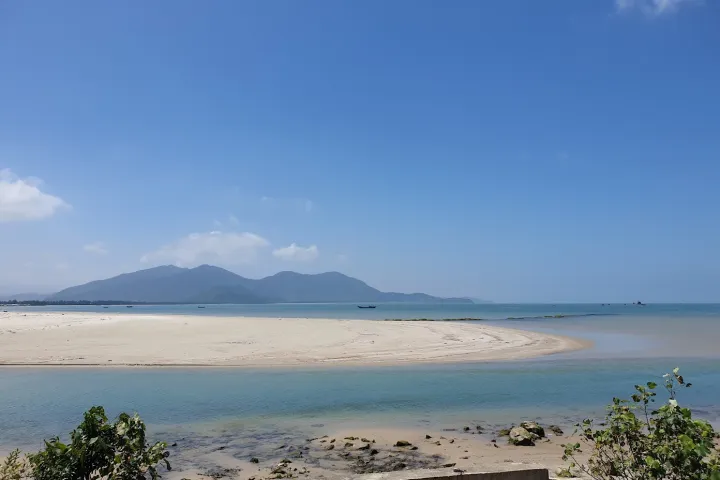
Lang Co Vietnam
Discover Lang Co Beach, Vietnam’s serene bay between mountains and sea. Explore nature, culture, fresh seafood, and nearby attractions like Hai Van Pass...
Read More
Hue City in central Vietnam is a harmonious blend of imperial history, cultural depth, and tranquil river landscapes. Once the capital of the Nguyen Dynasty, it remains a must-visit for travelers who want to experience Vietnam’s soul.
The most iconic landmark of Hue is the Imperial City (Kinh Thanh Hue), a vast walled fortress that was once the seat of Nguyen emperors. Built in the early 19th century, this UNESCO World Heritage Site includes the Purple Forbidden City, ornate temples, majestic gates, and royal gardens. Despite war damage, restoration efforts continue, allowing visitors to walk through history and imagine the grandeur of imperial Vietnam.
Inside the Citadel, don’t miss Ngo Mon Gate, Thai Hoa Palace, and the Dien Tho Residence. Each structure tells a story—of royal rituals, family life, and power. The surrounding lotus ponds and stone pathways add charm to every visit. For the best experience, arrive early to avoid crowds and explore at your own pace.
Running through the center of Hue is the Perfume River (Sông Hương), named for the fragrant blossoms that once fell into its waters from nearby orchards. Locals often gather along its banks to relax, especially near Truong Tien Bridge, a steel structure designed by Gustave Eiffel. Take a boat ride during sunset or hop on a traditional dragon boat to reach historical sites like Thien Mu Pagoda.
Perched on a hill overlooking the river, Thien Mu Pagoda is one of Vietnam’s oldest and most spiritual landmarks. The seven-story tower is a symbol of Hue, and the peaceful grounds offer a great view of the city. The pagoda is still active, so dress modestly and be respectful during your visit.
Hue is known for its royal tombs scattered along the countryside. These are not ordinary graves—they are masterpieces of architecture, blending natural landscapes with Confucian and Buddhist elements. Each tomb reflects the personality and rule of the emperor it commemorates.
This tomb stands out for its unique blend of Eastern and Western styles. Khai Dinh Tomb, completed in 1931, features black concrete exteriors and colorful interior mosaics made from glass and porcelain. Climb the staircases for views of the surrounding hills and admire the throne room, decorated with dragons and intricate carvings.
Set in a pine forest, Tu Duc’s tomb is poetic and serene. Built during his lifetime, the complex includes a lake, pavilion, and temple. Tu Duc was a scholarly emperor, and this tomb reflects his love for nature and solitude. It's a good place for quiet walks and reflection.
Hue is considered Vietnam’s culinary capital by many. Influenced by royal tastes, local dishes are often elegant, flavorful, and served in small portions like a tasting menu. From street stalls to riverside restaurants, food is an essential part of the Hue experience.
Bún bò Huế is the city’s signature dish—a spicy beef noodle soup with lemongrass and shrimp paste. For something lighter, try bánh bèo (steamed rice cakes with dried shrimp), bánh nậm, or bánh khoai (crispy pancakes). Vegetarian travelers will also find many options in Buddhist-inspired restaurants like Lien Hoa or San May.
Hue hosts a biennial Hue Festival, where traditional arts, music, and crafts are showcased across the city. You can witness áo dài fashion shows, folk performances, and lantern displays. It’s a chance to feel the rhythm of Hue’s cultural heartbeat.
Nearby, visit villages like Phu Cam for conical hats or Sinh Village for folk paintings. These communities preserve ancient skills and warmly welcome visitors. Buying a hand-made souvenir here supports local artisans and keeps traditions alive.
Whether you prefer riverside luxury or quiet guesthouses, Hue has options for all budgets. Popular hotels include Azerai La Residence, known for its colonial charm, and Melia Vinpearl Hue, offering city views and modern comfort. Backpackers often stay near Pham Ngu Lao Street for affordable hostels and easy access to eateries.
Hue is compact and easy to explore. Rent a bicycle for the full local experience or hire a motorbike to visit tombs and pagodas outside the city center. Taxis and cyclos (pedicabs) are also available. Many attractions are walkable if you stay near the river.
The best time to visit Hue is from March to August, when the weather is warm and mostly dry. However, bring a hat or umbrella, as the summer sun can be intense. Rainy season (September to January) is less ideal but offers fewer crowds. English is spoken at most hotels and major attractions, but a few Vietnamese phrases go a long way with locals.
Hue is well-connected to other parts of central Vietnam. You can take a scenic train or drive south to Da Nang and Hoi An via the Hai Van Pass. Northward, Quang Tri offers war history sites. Hue’s Phu Bai Airport serves domestic flights to Hanoi, Ho Chi Minh City, and beyond.
If you’re looking for a place where history whispers from ancient walls, where food delights the senses, and where a river carries stories of the past, Hue City is calling. Take your time, explore slowly, and let Hue reveal itself one layer at a time.
Discover Lang Co Beach, Vietnam’s serene bay between mountains and sea. Explore nature, culture, fresh seafood, and nearby attractions like Hai Van Pass...
Read More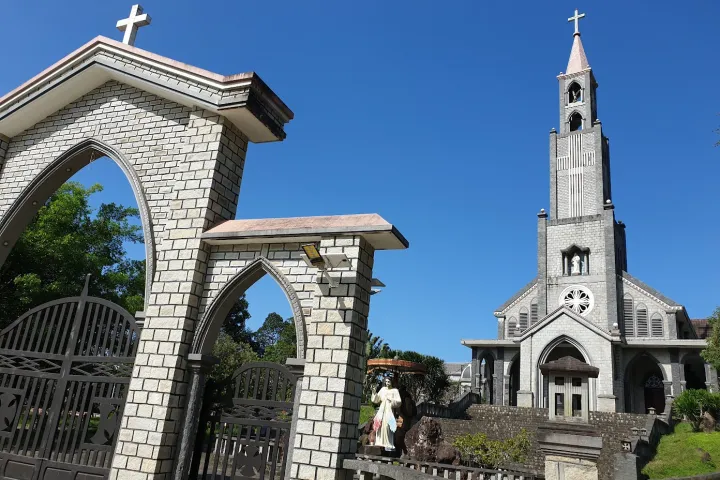
Visit Parish Church Hoi Dua in Lang Co, a peaceful landmark of faith surrounded by mountains, coconut trees, and the beauty of coastal Vietnam...
Read More