
Ba Vang Pagoda: A Peaceful Mountain Retreat in Northern Vietnam
Nestled on the tranquil slopes of Thanh Dang Mountain in Uong Bi City, Quang Ninh Province, Ba Vang Pagoda offers a serene blend of spiritual depth and natural beauty. Just a short drive from Ha Long Bay, this magnificent pagoda draws both devout Buddhists and curious travelers.
A Brief History of Ba Vang Pagoda
Ba Vang Pagoda, also known as Bao Quang Tu, was originally built in 1706 during the reign of King Le Du Tong. Over centuries, it faced destruction and decay due to wars and natural disasters. In recent years, the pagoda has been extensively restored and expanded, resulting in the beautiful complex we see today. The renovations reflect a harmonious fusion of traditional Vietnamese architecture and modern touches.
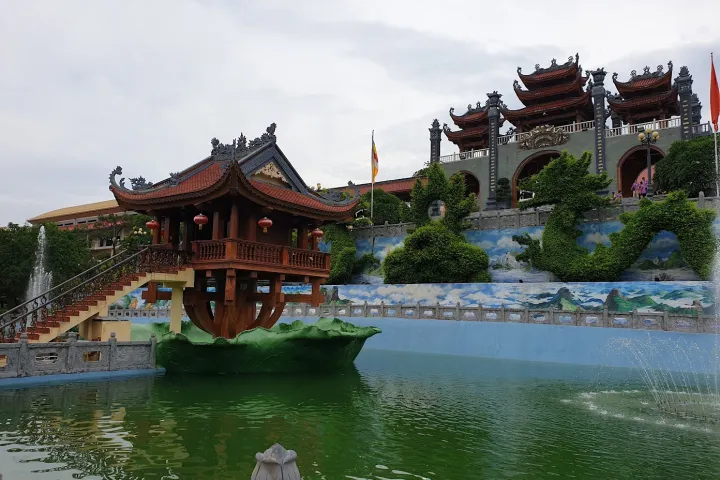

Architectural Highlights
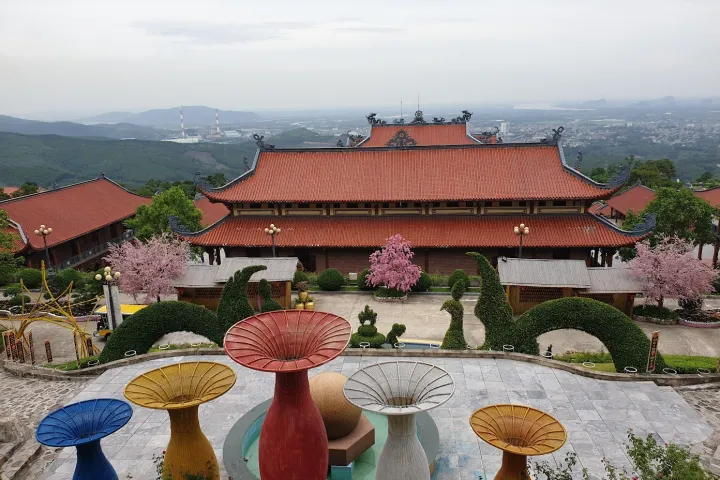
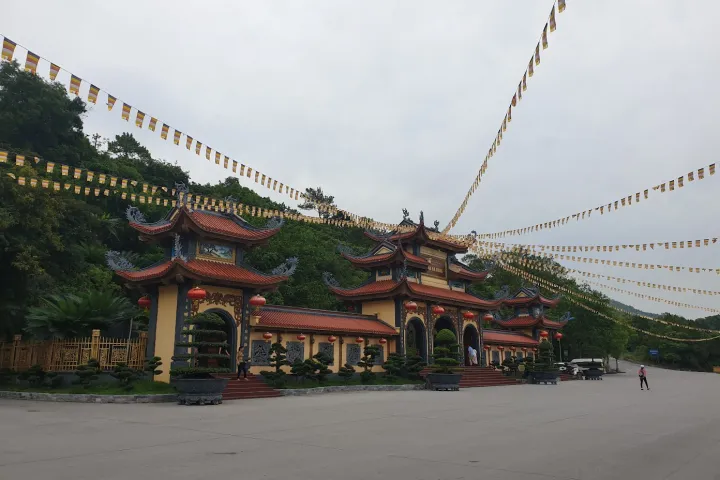
The architecture of Ba Vang Pagoda is both majestic and tranquil. The main hall (Dai Hung Bao Dien) features intricate carvings, vibrant red lacquer columns, and a large golden statue of Shakyamuni Buddha. The curved rooftops and dragon motifs are classic elements of Vietnamese temple design. The symmetry of the structures and the meticulous landscaping enhance the sense of peace throughout the grounds.
The Bell Tower and Drum Tower
Two iconic towers flank the pagoda — the Bell Tower and the Drum Tower. The large bronze bell is rung during important ceremonies, symbolizing the spreading of the Buddha’s teachings across the world. The Drum Tower, often used in tandem with the bell, resonates deeply through the surrounding hills during rituals and prayer sessions.
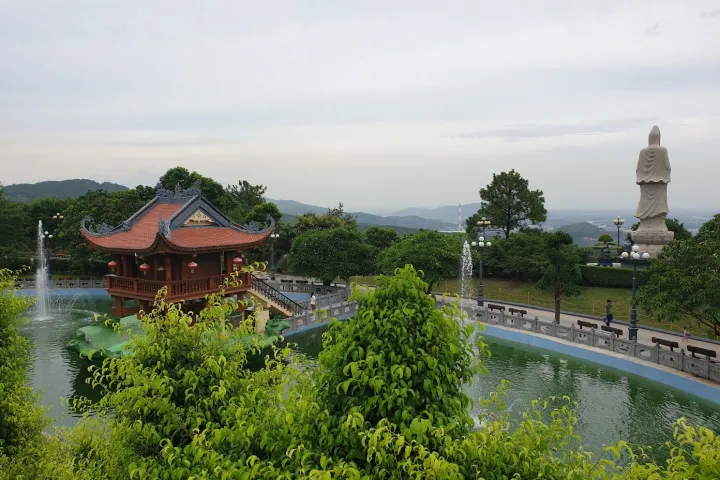
The Meditation Hall and Monastic Life
Ba Vang Pagoda is home to a thriving community of monks and nuns who follow the teachings of Venerable Thich Truc Thai Minh. The Meditation Hall welcomes visitors for short or long-term retreats. Guests are invited to practice mindfulness, attend Dharma talks, or simply enjoy the peaceful atmosphere surrounded by pine trees and mountain air.
Festivals and Events
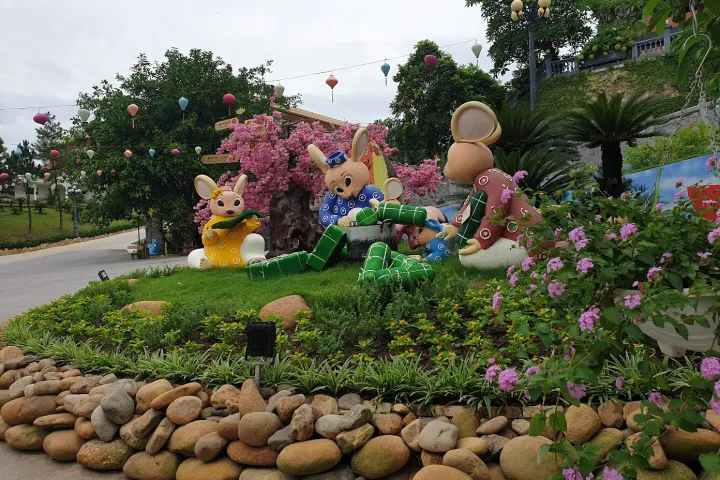
Ba Vang Pagoda is especially lively during the Lunar New Year (Tet) and Vu Lan Festival (the Buddhist Mother’s Day). During these times, thousands of visitors come to make offerings, pray for good fortune, and enjoy cultural performances. Lanterns and flowers decorate the courtyards, and the atmosphere is vibrant with spiritual energy and Vietnamese traditions.
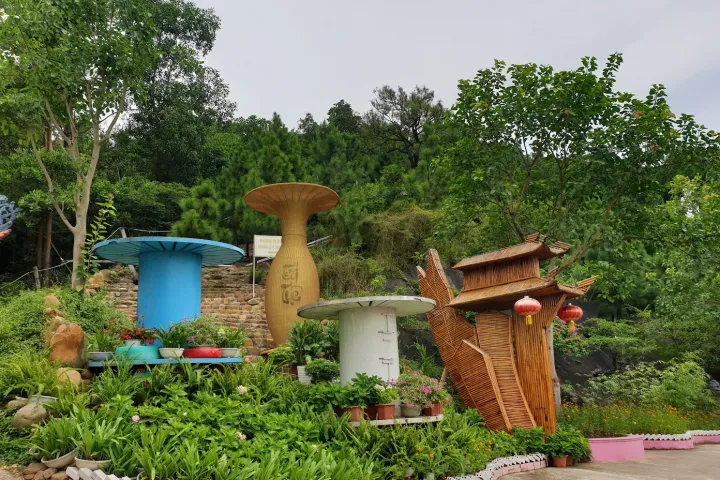
Panoramic Views and Natural Beauty
One of Ba Vang’s most captivating features is its stunning view. Located nearly 340 meters above sea level, the pagoda offers panoramic vistas of Uong Bi City, forested hills, and the surrounding countryside. Many visitors hike up the mountain path at sunrise or sunset to enjoy the peaceful scenery and take memorable photos.
How to Get There
Ba Vang Pagoda is about 120 km east of Hanoi, and just 50 km from Ha Long City. From Hanoi, you can reach the pagoda via National Highway 18 by car, motorbike, or bus. Local travel agencies often include Ba Vang in day tours that also cover Yen Tu Mountain, a nearby sacred Buddhist site with deep historical significance.
Tips for Visiting
- Dress modestly and respectfully, as Ba Vang is an active religious site.
- Try to visit during early morning or late afternoon to avoid crowds and enjoy cooler weather.
- Don’t miss the vegetarian food offerings often served during festivals or meditation retreats.
- If you're interested in Buddhism, inquire about guided tours or English-language Dharma talks.
Nearby Attractions
Ba Vang Pagoda is close to several other notable sites. Yen Tu Mountain, a key pilgrimage destination for Vietnamese Buddhists, is just a short drive away. The Truc Lam Yen Tu Zen Monastery and Dong Pagoda at the top of the mountain offer even more opportunities for spiritual exploration. Additionally, the nearby city of Ha Long is famous for its world heritage bay, bustling night markets, and seafood restaurants.
Explore Life in Ba Vang Temple
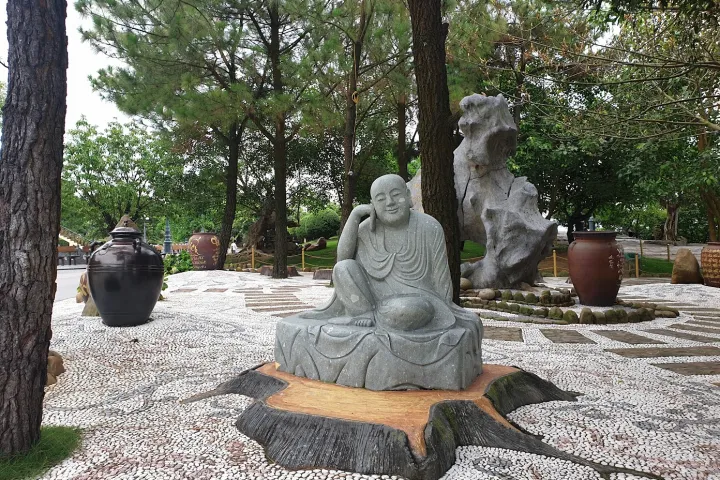
Ba Vang Pagoda is more than just a temple — it’s a sanctuary for reflection, learning, and connection with nature. Whether you’re a spiritual seeker or a traveler looking for unique experiences, a visit to this peaceful pagoda will leave you with a deeper appreciation of Vietnam’s culture, architecture, and natural beauty.