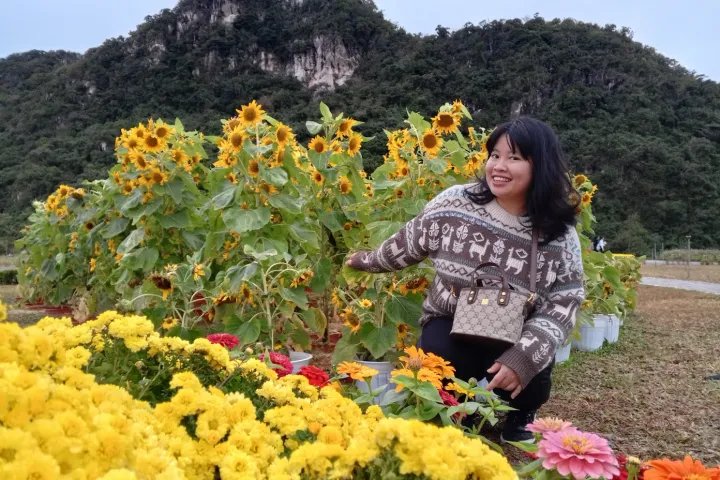
Marble Mountains Park Da Nang
Visit Marble Mountains Park in Da Nang, a tranquil green space beside Marble Mountains with paths, statues, and cultural charm for a relaxing break...
Read More
Marble Mountains, known locally as "Ngu Hanh Son," is a cluster of five limestone and marble hills just outside Da Nang. Rich in history, natural beauty, and spiritual meaning, it's one of Central Vietnam's most cherished landmarks.
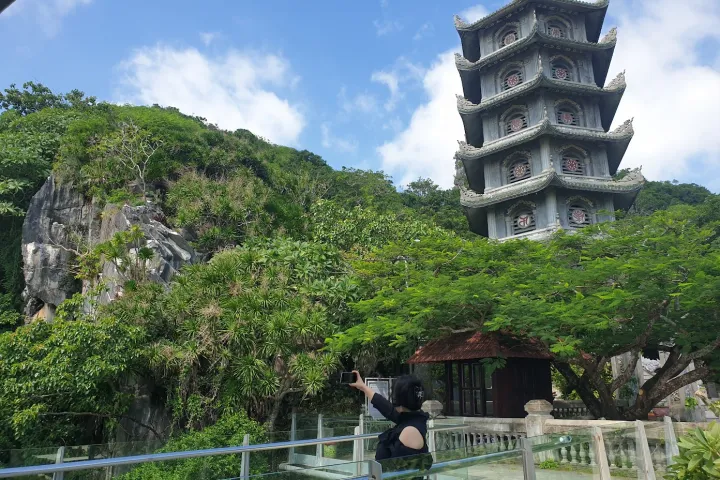

Located about 9 kilometers south of Da Nang's city center, the Marble Mountains are named after the five elements of ancient Eastern philosophy: Metal, Wood, Water, Fire, and Earth. These five hills rise unexpectedly from the flat coastal plain, offering a striking contrast to the surrounding landscape. Visitors come not only for the panoramic views but also for the deep cultural and spiritual atmosphere found within the caves and temples scattered throughout the area.
The Marble Mountains have been a site of religious significance for centuries. Historically, the area was used by the Cham people, and later Vietnamese dynasties built temples and pagodas here. During the Vietnam War, some of the caves were even used as hiding spots and field hospitals. Today, these historical layers remain visible, creating a meaningful backdrop for any visit.
Before Vietnamese settlers arrived, the Cham civilization held spiritual ceremonies in the Marble Mountains. The blend of Hindu and Buddhist influences can still be seen in stone carvings and relics. As Buddhism spread in Vietnam, the mountains became a popular place for monks to meditate, and Buddhist architecture flourished here in the form of temples and shrines.
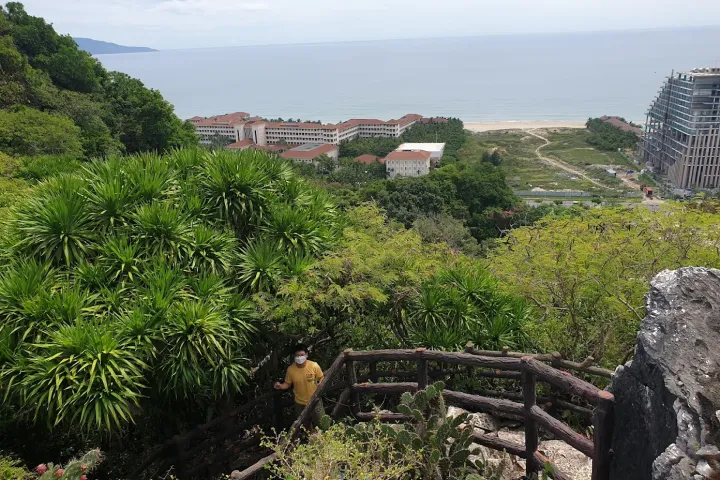
Although all five hills are symbolic, the most accessible and frequently visited is Thuy Son (Water Mountain). It’s the largest of the five and home to most of the notable caves, temples, and viewpoints.
Visitors enter Thuy Son via a modern elevator or a steep staircase. Once inside, pathways lead to several caves like Huyen Khong, Linh Nham, and Tang Chon. These caverns offer more than just cool air and natural rock formations — they hold shrines, statues, and a sense of quiet spirituality. Don’t miss Tam Thai Pagoda, a 17th-century temple surrounded by bonsai trees and peaceful courtyards.
While less visited, the remaining four mountains — Kim Son (Metal), Moc Son (Wood), Hoa Son (Fire), and Tho Son (Earth) — each have their own charm. Kim Son houses Quan Am Pagoda and a peaceful river. Tho Son is the lowest, yet during the war, it served as a hidden tunnel system. These mountains are ideal for travelers seeking solitude away from the main crowds.
At the base of the mountains lies Non Nuoc Stone Carving Village, a centuries-old craft community. Artisans here sculpt statues, decorative pieces, and religious icons from marble and other stone materials. Visitors can explore small workshops, speak with local carvers, and even purchase handmade souvenirs.
Non Nuoc Village plays a vital role in preserving traditional Vietnamese craftsmanship. Though much of the marble now used is sourced from other areas to protect the mountains, the village remains a proud center of heritage and skill. Supporting these businesses helps maintain local culture and family-run enterprises.
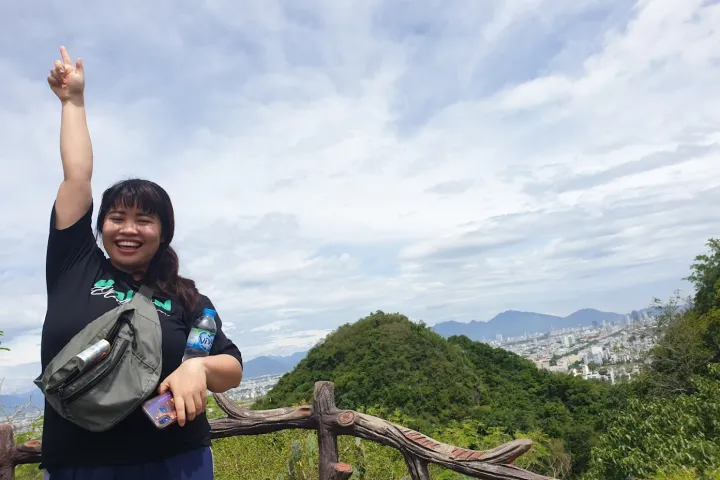
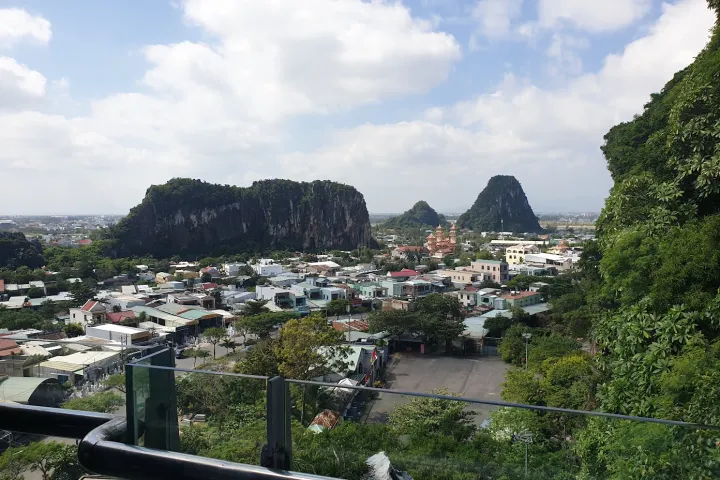
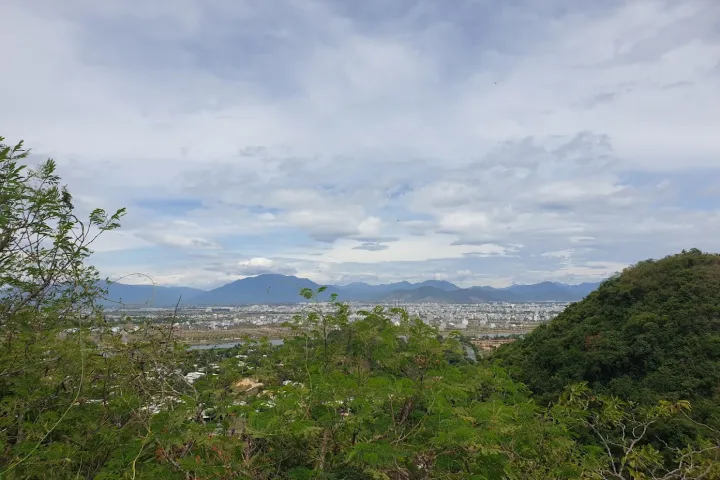
The Marble Mountains offer some of the most stunning viewpoints in the Da Nang area. Climb to the top of Thuy Son and you’ll see sweeping views of the coastline, the Han River, and even the Son Tra Peninsula on a clear day. Sunrise and late afternoon are particularly photogenic, with soft light filtering through ancient trees and temple roofs.
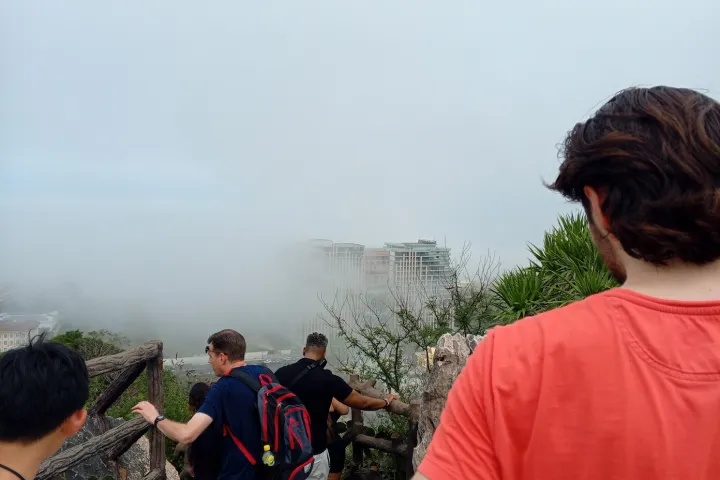
The site is open daily from early morning to late afternoon. Entrance fees are modest, with additional charges for the elevator. Wear comfortable shoes, as many stairs and uneven paths await you. Bring water, especially during hot months.
Marble Mountains is about a 20-minute drive from both Da Nang and Hoi An. Taxis and ride-hailing apps like Grab are readily available. Some local tour companies also include the site in day tours that combine other regional attractions like My Son Sanctuary or Ba Na Hills.
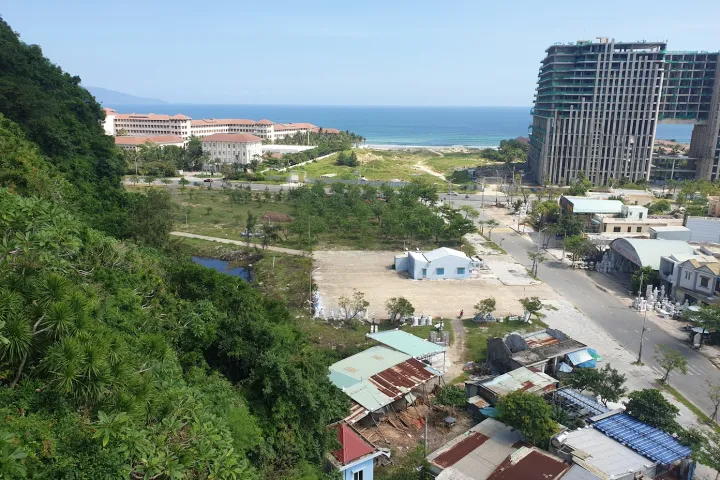
After exploring Marble Mountains, consider visiting My Khe Beach, just a few kilometers away. This long stretch of white sand is ideal for relaxation and seafood dining. For those interested in temples, Linh Ung Pagoda on Son Tra Peninsula offers a larger-than-life Lady Buddha statue and stunning sea views.
Small food stalls near the entrance sell local snacks like bánh mì, sugarcane juice, and fresh coconut. For a sit-down meal, restaurants like Be Man Seafood or Ngon Villa Danang offer a mix of Vietnamese dishes in relaxing settings.
Marble Mountains is not just a tourist site — it’s a spiritual and cultural landmark. Respect local customs by dressing modestly, speaking quietly inside shrines, and avoiding touching statues or artifacts. Visitors are encouraged to tread lightly and help preserve the atmosphere for future generations.
Whether you come for the history, the views, or the sense of peace, Marble Mountains offers something memorable. Take your time, step into a cool cave, listen to the birdsong, and feel the connection between nature and spirit. It’s a place where the pace slows and perspective deepens — something we all need once in a while.
Visit Marble Mountains Park in Da Nang, a tranquil green space beside Marble Mountains with paths, statues, and cultural charm for a relaxing break...
Read More