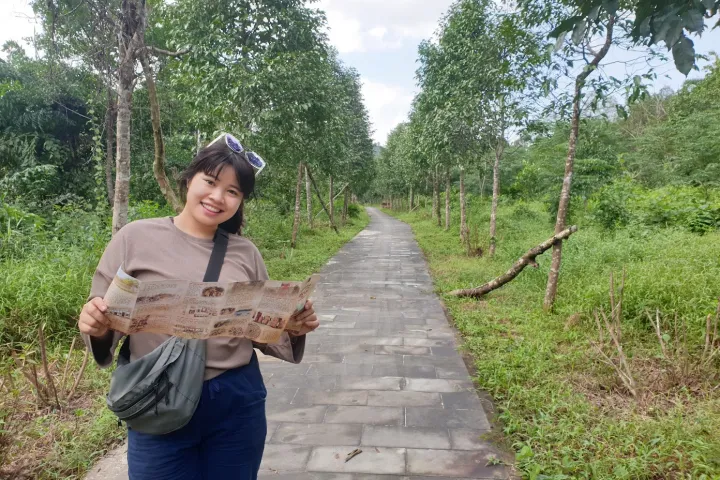
My Son Vietnam
Explore My Son Sanctuary, Vietnam’s ancient Cham civilization site. Discover historic temples, cultural heritage, and scenic landscapes near Hoi An...
Read More
Hoi An is a beautifully preserved ancient town in central Vietnam, known for its yellow buildings, lantern-lit streets, and rich cultural heritage. This riverside town blends history, cuisine, and community in a way that captures the hearts of travelers from around the world.
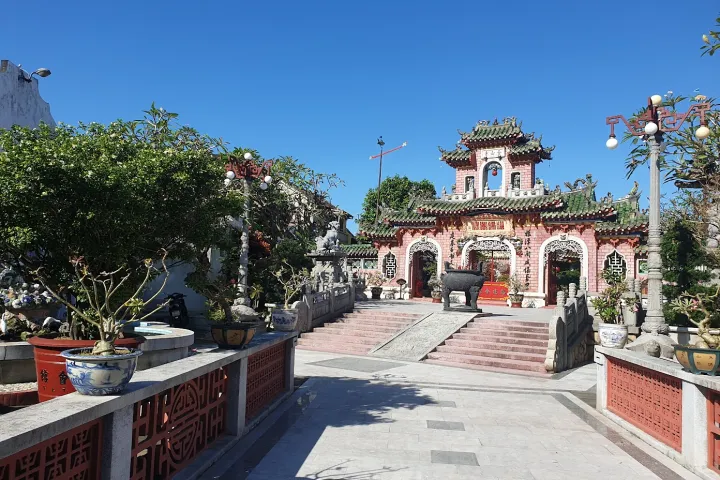

Once a major Southeast Asian trading port between the 15th and 19th centuries, Hoi An has welcomed traders from China, Japan, and Europe. Its unique architecture reflects this multicultural influence, with wooden shophouses, Japanese-style bridges, and Chinese temples found throughout the town. The Old Town was declared a UNESCO World Heritage Site in 1999, preserving its historic charm and cultural importance.
One of Hoi An’s most photographed spots is the 400-year-old Japanese Covered Bridge (Chùa Cầu). Built in the early 17th century by the Japanese community, it features a distinctive pagoda-style roof and carvings of dogs and monkeys. It once connected two of the town’s ethnic quarters and remains a symbol of Hoi An’s diverse past.
The Old Town of Hoi An is best explored on foot or by bicycle. Traffic is restricted in central areas, allowing visitors to wander safely past mustard-yellow buildings, moss-covered walls, and narrow alleyways. Many homes have been converted into tailors, cafes, galleries, and workshops, making it easy to enjoy both the town’s past and present.
Hoi An is famous for its custom tailoring. Whether you need a suit, dress, or pair of leather shoes, you can have them tailored in just a day or two. Local favorites like Yaly Couture and BeBe Tailor are known for high quality and good service. Beyond clothing, you’ll also find handmade lanterns, embroidery, ceramics, and art from local artisans.
Hoi An’s food scene is a delicious mix of Vietnamese and local Quang Nam flavors. Be sure to try Cao Lau, a noodle dish unique to the region, made with chewy noodles, pork, greens, and crispy croutons. White rose dumplings (Banh Bao Banh Vac) and Com Ga (chicken rice) are other regional specialties that shouldn’t be missed.
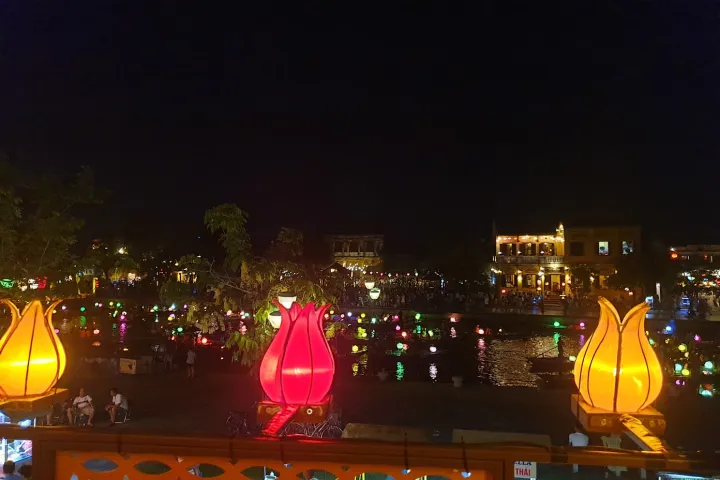
In the evening, the riverside comes alive with food stalls, night markets, and lanterns reflecting on the water. You can enjoy local bites along Bach Dang Street or cross the river to An Hoi Island for more lively options. Try Hoi An Roastery for a relaxed coffee break or Morning Glory for refined Vietnamese dishes in a heritage building.

Hoi An is famous for its monthly Lantern Festival, held on the 14th day of the lunar calendar. On this night, the Old Town switches off electric lights, and colorful paper lanterns fill the streets and river. Locals and tourists float candle-lit lanterns on the water to make wishes, creating a magical atmosphere that feels like stepping into another world.
Visitors can enjoy local culture through traditional music, folk dance, and water puppet shows. You can catch performances at Hoi An Traditional Art Performance Theatre or during street events in the evenings. Cultural shows often include stories of local legends and maritime history.

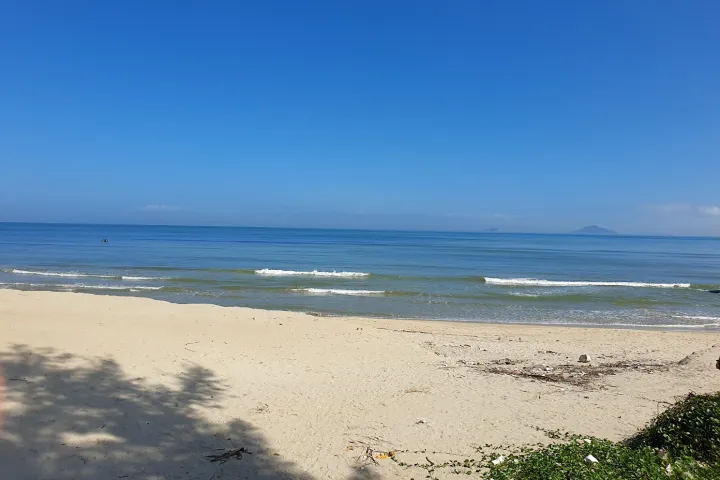
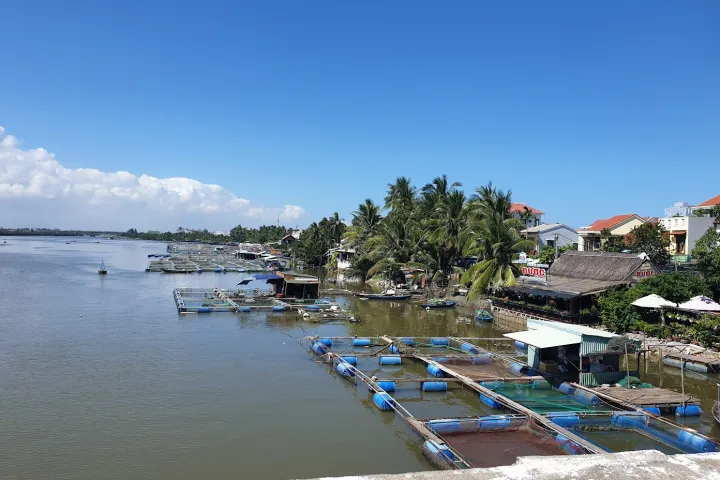
Just a few kilometers from the town center are peaceful beaches like An Bang and Cua Dai. These offer clean sand, fresh seafood, and a relaxed vibe compared to busier coastal cities. You can rent a bicycle or motorbike to explore rice paddies, coconut groves, and fishing villages outside town. The nearby Tra Que Vegetable Village is a great place to learn about organic farming and Vietnamese herbs.
From Hoi An, it's easy to visit other attractions in central Vietnam. My Son Sanctuary, a cluster of ancient Hindu temples, lies about an hour away and offers a glimpse into the Champa Kingdom. The Marble Mountains near Da Nang and the Hai Van Pass are also popular for scenic views and short hikes.
Hoi An is best visited between February and April when the weather is warm and dry. Avoid the rainy season from October to December, when flooding can occur. Entrance to the Old Town costs a small fee, which helps maintain the area and supports heritage preservation. Tickets can be used to visit museums, old houses, and assembly halls.
The closest airport is in Da Nang, about 30 km away. From there, taxis, buses, or private transfers can take you to Hoi An in around 45 minutes. Many visitors also arrive from Hue or other parts of Vietnam via the scenic coastal route.
Whether you’re drawn by history, food, crafts, or just the peaceful vibe, Hoi An is a destination that leaves lasting impressions. Give yourself time to slow down and explore—not just the landmarks, but also the quiet corners, smiling faces, and moments that define the charm of this timeless town.
Explore My Son Sanctuary, Vietnam’s ancient Cham civilization site. Discover historic temples, cultural heritage, and scenic landscapes near Hoi An...
Read More