
My Son Sanctuary - A Journey into Vietnam's Ancient Cham Civilization
Located in a lush valley in Quang Nam Province, My Son Sanctuary is a remarkable archaeological site that offers a glimpse into the spiritual and cultural legacy of the ancient Champa Kingdom.
Introduction to My Son Sanctuary
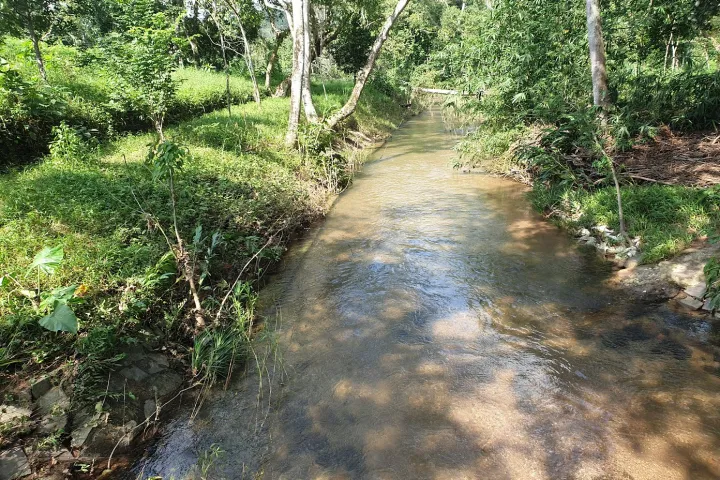
My Son Sanctuary is one of Vietnam's most important cultural and historical landmarks. Tucked away in a quiet valley surrounded by mountains and dense forest, it lies about 40 kilometers southwest of Hoi An and around 70 kilometers from Da Nang. This cluster of abandoned and partially ruined Hindu temples dates back to between the 4th and 13th centuries.
Built by the Cham people, who ruled large parts of central and southern Vietnam, the sanctuary was a place of worship dedicated to the Hindu deity Shiva. Over time, it became the spiritual center of the Champa Kingdom, which had close cultural ties to India and other parts of Southeast Asia.

Historical and Cultural Significance
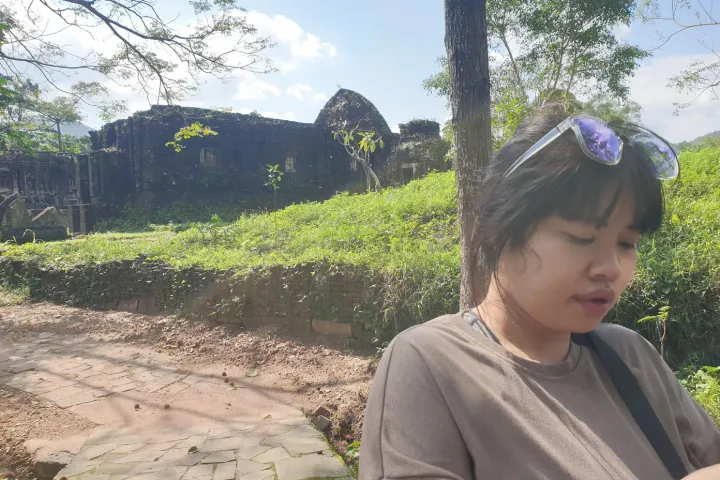
My Son was once home to over 70 temples and towers, many intricately carved with sandstone sculptures and detailed bas-reliefs that reflect Hindu cosmology. Despite wars and natural decay, several impressive structures still stand today, offering visitors a chance to walk through centuries of history.
In 1999, UNESCO recognized My Son as a World Cultural Heritage Site for its architectural and cultural value. This designation not only protects the sanctuary but also acknowledges its role in shaping the religious and political life of the Champa civilization.
Architecture and Symbolism
The temples at My Son were constructed without mortar, using a unique technique involving baked bricks and a natural adhesive that remains a subject of study for modern researchers. The designs reflect a deep understanding of geometry, harmony, and symbolism. Each temple tower typically represents Mount Meru, the mythical home of Hindu gods.
The carvings found throughout the site illustrate gods, animals, and sacred symbols, often intertwined with flora and mythological themes. Shiva, in particular, appears frequently in his various forms, including as a linga (symbolic phallic form), and with his sacred bull, Nandi.
Damage from Conflict
During the Vietnam War, My Son suffered significant damage due to U.S. bombings. Craters are still visible in some areas of the valley, and many temples were reduced to rubble. However, restoration efforts supported by both Vietnamese and international teams have helped preserve and reconstruct parts of the complex.
Visiting My Son Sanctuary
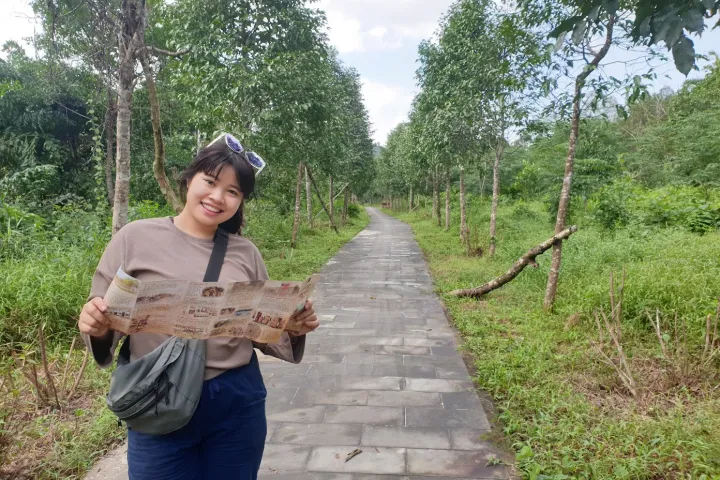
My Son is best visited in the early morning or late afternoon to avoid the heat and enjoy soft lighting for photography. The main path winds through several temple groups, each showcasing different stages of Cham art and construction. Informational signs are placed throughout, and guided tours are available for those interested in deeper context.
How to Get There
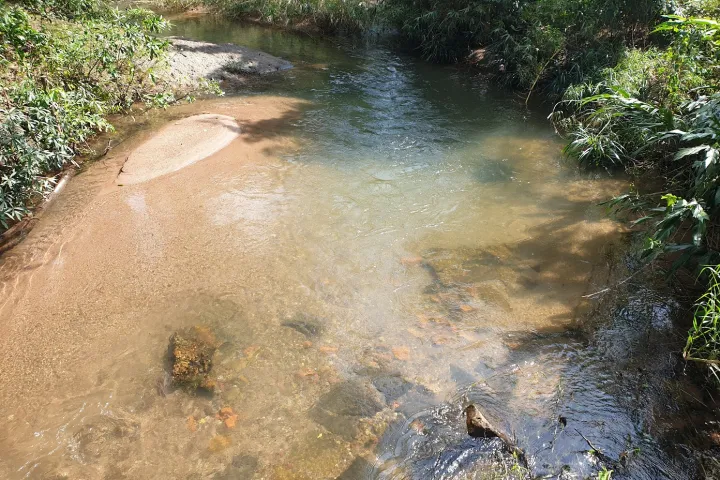
The sanctuary can be reached by motorbike, private car, or as part of an organized tour from Hoi An or Da Nang. The road to My Son passes through scenic countryside, including rice fields and quiet villages, making the journey an enjoyable part of the experience.
Entrance and Facilities
The site has a visitor center with exhibits, a souvenir shop, and a small café. Tickets include access to a short electric tram ride that takes visitors from the entrance to the main temple area. The fee also contributes to ongoing preservation and maintenance.
Local Tips
- Wear comfortable shoes as the terrain is uneven in places.
- Bring water, especially during hot months (April–August).
- Try to pair your visit with a cultural performance if available—Cham dance shows sometimes take place at the site.
The Living Culture of the Cham People
Though the Champa Kingdom has long vanished, its descendants still live in parts of central and southern Vietnam. The Cham community preserves elements of their language, music, and spiritual practices. Visiting My Son is not just about ruins—it’s about recognizing the cultural thread that continues into the present day.
Festivals like Kate, celebrated by Cham people, still honor their ancestral deities and kings, connecting the past with living tradition. Some of the artisans and guides at My Son are themselves from Cham families, offering visitors a direct link to this heritage.
Nearby Attractions Worth Exploring
After visiting My Son, travelers often explore nearby destinations to enrich their experience:
- Hoi An Ancient Town: A UNESCO-listed heritage town with well-preserved architecture, lantern-lit streets, and riverside cafés.
- Tra Kieu: Former capital of the Champa Kingdom, located near My Son, with remnants of Cham influence and Christian churches.
- Marble Mountains: Sacred caves and pagodas located near Da Nang, offering panoramic views and spiritual significance.
Preserving a Shared Heritage
Efforts to conserve My Son highlight the importance of cultural heritage in shaping identity. Archaeologists, architects, and local authorities continue to study and preserve the site, often with international collaboration from countries like Italy and India. Their work ensures future generations can continue to learn from and appreciate the ancient artistry of the Cham people.
Begin Your Journey to My Son
If you're drawn to places where history, culture, and nature meet, My Son Sanctuary offers a rewarding escape into Vietnam’s spiritual past. Quiet, evocative, and surrounded by forested hills, it invites you to walk slowly, reflect deeply, and discover a lesser-known chapter of Southeast Asian heritage at your own pace.